BETA
Skip to main content
RMIT University
RMIT University

RMIT University

Darebin - North, VIC

University/Higher Education Institution
6 Campuses
Top 50

About RMIT University

What RMIT University is all about

Founded in 1887, RMIT became a university in 1992. It offers both higher education and vocational education courses with over 82,000 students including 31,160 international students, of whom 18,860 are taught outside Australia (almost 7,000 at RMIT Vietnam). Over 900 courses exist to graduate at all levels, including certificates, diplomas, advanced diplomas and associate, undergraduate and postgraduate degrees. RMIT University is a global university of technology and design offering areas of study including: aerospace and aviation; architecture, building and planning; art and design; business; communication; community and welfare; computing and information systems; education and training; engineering and related technologies; environment; health sciences; humanities, social sciences and legal; manufacturing and processing; and science and mathematics. RMIT has three campuses in Melbourne, Australia, with smaller sites at Hamilton, Point Cook and Bendigo. Main campus in Melbourne's CBD is spread over a number of Melbourne city blocks. There are art galleries, cinemas, bookshops and cafes on campus. The Brunswick campus is six kilometres from the city and offers state-of-the-art specialist graphic technology, fashion and textile facilities - with access to the on-campus International Fibre Centre. The Bundoora campus is set in extensive parklands and offers courses in life sciences, education and manufacturing/mechanical engineering. RMIT also two campuses in Vietnam and a centre in Barcelona, Spain. They also offer programs through partners in Singapore, Hong Kong, mainland China, Indonesia, Sri Lanka, Belgium, Spain and Germany, and enjoy research and industry partnerships on every continent.RMIT was awarded the Premier's Award for International Education and the award for Excellence in the inaugural Victorian International Education Awards.


Photo of RMIT University

About the neighbourhood

Characteristics of the area around RMIT University

Source: ABS SA2 2021

Costs

What it really costs to live and work here

Avg course fee

$0

Range $1,900 - $129,600/yr

Avg international fee

$0

Range $13,000 - $258,720/yr

Median rent

$0/ wk

In Bundoora

The important numbers

The academic numbers you should know about

ATAR range

60.05–86.1

Median ATAR

75.05

Course mix

474 courses

  • Undergraduate

    35%

  • Postgraduate

    44%

  • VET / vocational

    5%

Across 20 faculties and study areas

Most popular courses

Business and management

0%

Engineering and technology

0%

Creative arts

0%

Campus explorer

Where you could be studying

Popular careers from RMIT University

Where a qualification from RMIT University can take you

On socials

See what campus life really looks like

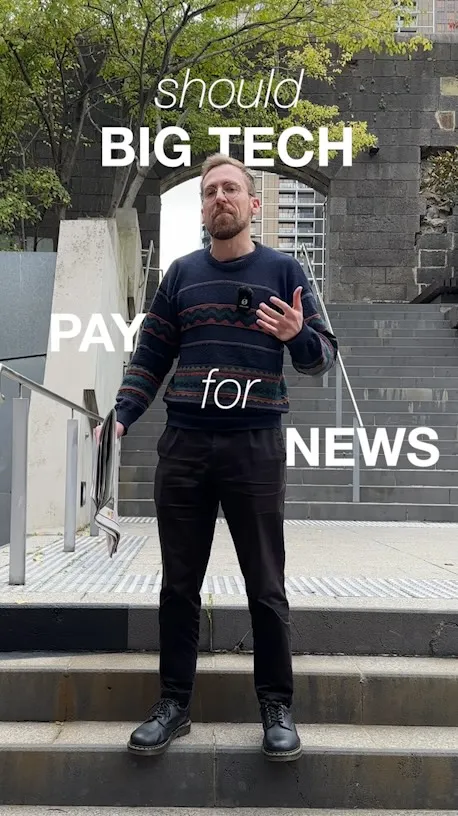
The government is introducing the News Bargaining Incentive, a proposal to address the power imbalance between big tech and news organisations. But while journalism and media experts support the intentions of the proposal, they are also warning it doesn’t go far enough. 📰

@rmituniversity

The government is introducing the News Bargaining Incentive, a proposal to address the power imbalance between big tech and news organisations. But while journalism and media experts support the intentions of the proposal, they are also warning it doesn’t go far enough. 📰

19.5kviews124likes2comments
Instagram
View post
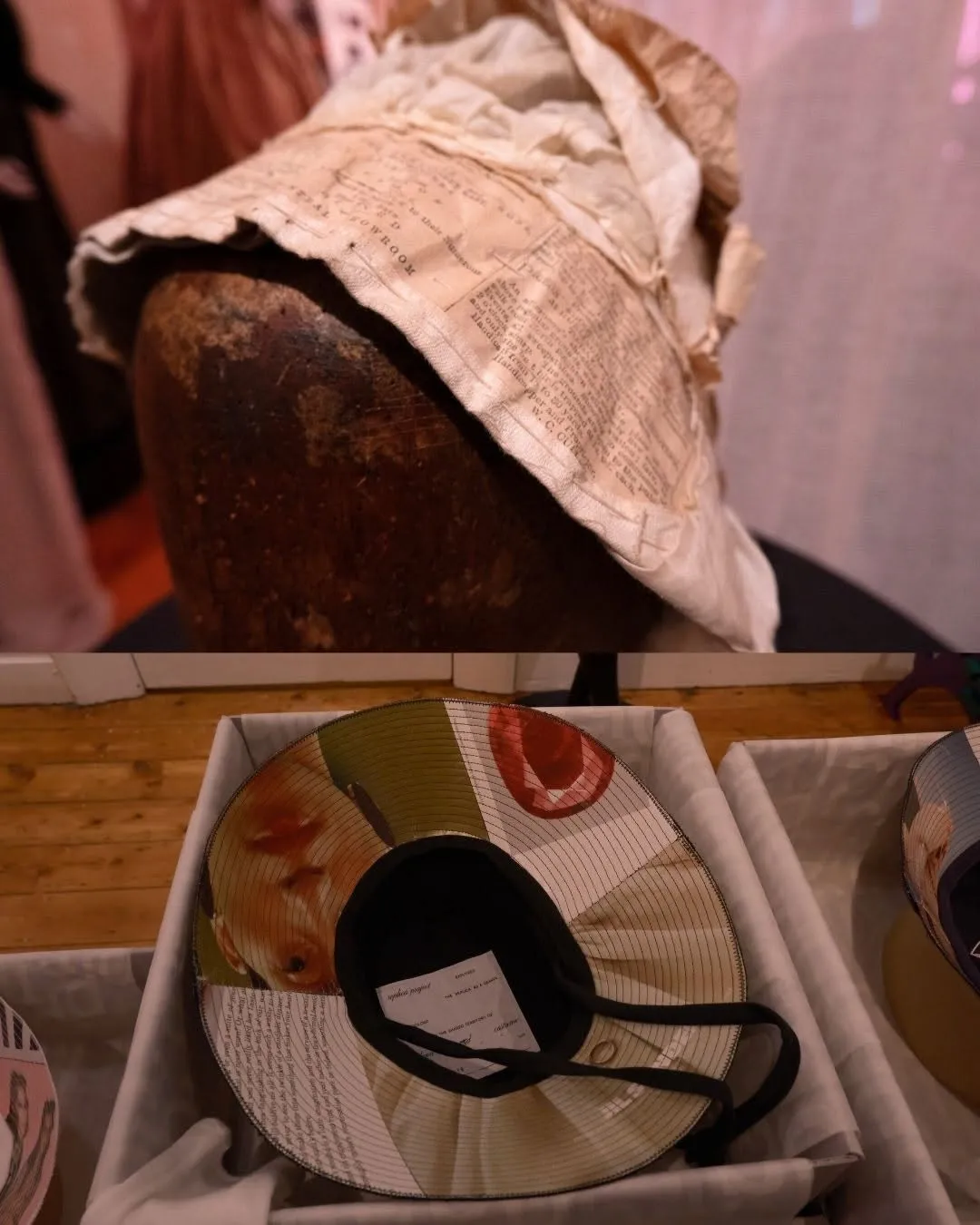
Take a deep dive into a hazy pink dollhouse filled with the garments, fabrics, and trinkets of your dreams at the reFashion/transForm exhibition. During Melbourne Design Week - this incredible exhibit responds to the growing issue of garment waste in today’s fashion scene. By showcasing the multitudes of ways that garments and other materials can be transformed, adapted and reused to become something completely new. 

The group exhibition features works by creatives from across the state, and RMIT is proud to have multiple entries by our talented staff and students.
From S!X’s Guignol 18th century marionette that transports you straight onto the streets of Paris. to our Masters student Hyeonjeong Weon’s complex works that explore the relationship between garments, space, and the emotional boundaries of home.

These works celebrate the power of creativity and passion to transform discarded fabrics and garments into works of art! this exhibit is going to be open till mid-July, for more information head to the National Trust website OR click the link in our bio!

@rmituniversity

Take a deep dive into a hazy pink dollhouse filled with the garments, fabrics, and trinkets of your dreams at the reFashion/transForm exhibition. During Melbourne Design Week - this incredible exhibit responds to the growing issue of garment waste in today’s fashion scene. By showcasing the multitudes of ways that garments and other materials can be transformed, adapted and reused to become something completely new.  The group exhibition features works by creatives from across the state, and RMIT is proud to have multiple entries by our talented staff and students. From S!X’s Guignol 18th century marionette that transports you straight onto the streets of Paris. to our Masters student Hyeonjeong Weon’s complex works that explore the relationship between garments, space, and the emotional boundaries of home. These works celebrate the power of creativity and passion to transform discarded fabrics and garments into works of art! this exhibit is going to be open till mid-July, for more information head to the National Trust website OR click the link in our bio!

215likes0comments
Instagram
View post
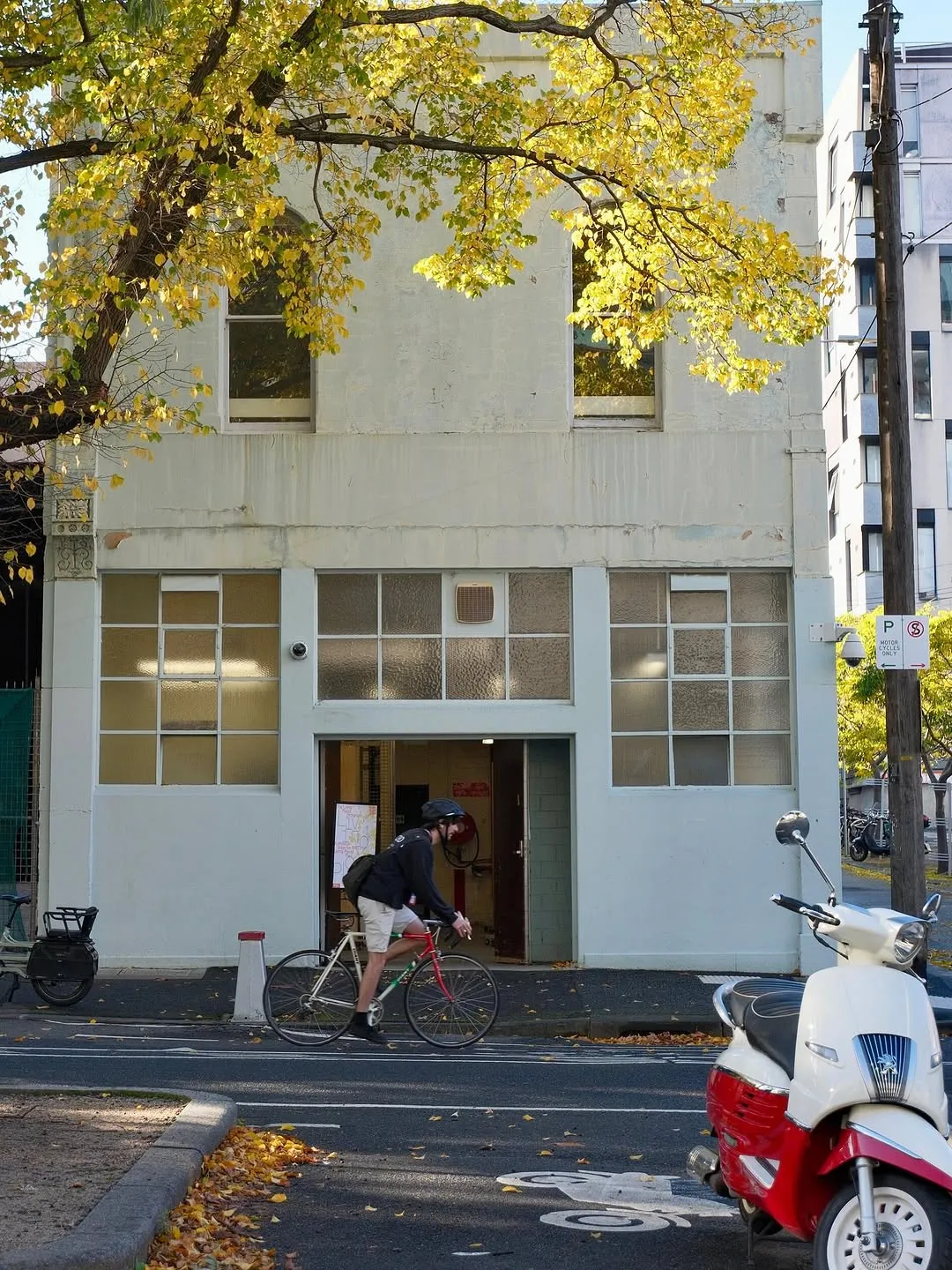
There are two weeks left to catch the opening exhibition at the Living Places Exchange!

Showcasing a range of projects from students and staff, the exhibition brings to life the challenge to inspire an inclusive, innovative, and regeneratively sustainable future from the heart of Melbourne that underpins RMIT’s Living Places Plan.

Open to students, staff and the public on the 15th, 16th, 22nd, 23rd and 25th June. For more details visit: www.rmit.edu.au/about/our-strategy/living-places-plan/the-living-places-exchange

Image 1. Exterior of RMIT Building 42 shot from the street, the location of the Living Places Exchange.

Image 2. Green and orange wall hangings made from algae-derived polymer hang behind a table with books and other artefacts curated by RMIT Archives.

Image 3. Interior shot of the Exchange looking out the front entrance onto the street.

Image 4. Exhibition display cases fabricated by Softer Design Studio, led by RMIT alum Dustin Fritsche.

Image 5. Steel structure from a lift located inside the Exchange, formerly used to train students for lift maintenance.

Image 6. Fabric samples from Growing Waa Weelum Dye Garden located at Brunswick Campus.

Image 7. Exhibition display case with the text ‘Living Places: A physical stage for RMIT’s Living Places Plan, Guiding our future in place’.

Image 8. Exterior shot of Building 42.

@rmituniversity

There are two weeks left to catch the opening exhibition at the Living Places Exchange! Showcasing a range of projects from students and staff, the exhibition brings to life the challenge to inspire an inclusive, innovative, and regeneratively sustainable future from the heart of Melbourne that underpins RMIT’s Living Places Plan. Open to students, staff and the public on the 15th, 16th, 22nd, 23rd and 25th June. For more details visit: www.rmit.edu.au/about/our-strategy/living-places-plan/the-living-places-exchange Image 1. Exterior of RMIT Building 42 shot from the street, the location of the Living Places Exchange. Image 2. Green and orange wall hangings made from algae-derived polymer hang behind a table with books and other artefacts curated by RMIT Archives. Image 3. Interior shot of the Exchange looking out the front entrance onto the street. Image 4. Exhibition display cases fabricated by Softer Design Studio, led by RMIT alum Dustin Fritsche. Image 5. Steel structure from a lift located inside the Exchange, formerly used to train students for lift maintenance. Image 6. Fabric samples from Growing Waa Weelum Dye Garden located at Brunswick Campus. Image 7. Exhibition display case with the text ‘Living Places: A physical stage for RMIT’s Living Places Plan, Guiding our future in place’. Image 8. Exterior shot of Building 42.

505likes2comments
Instagram
View post
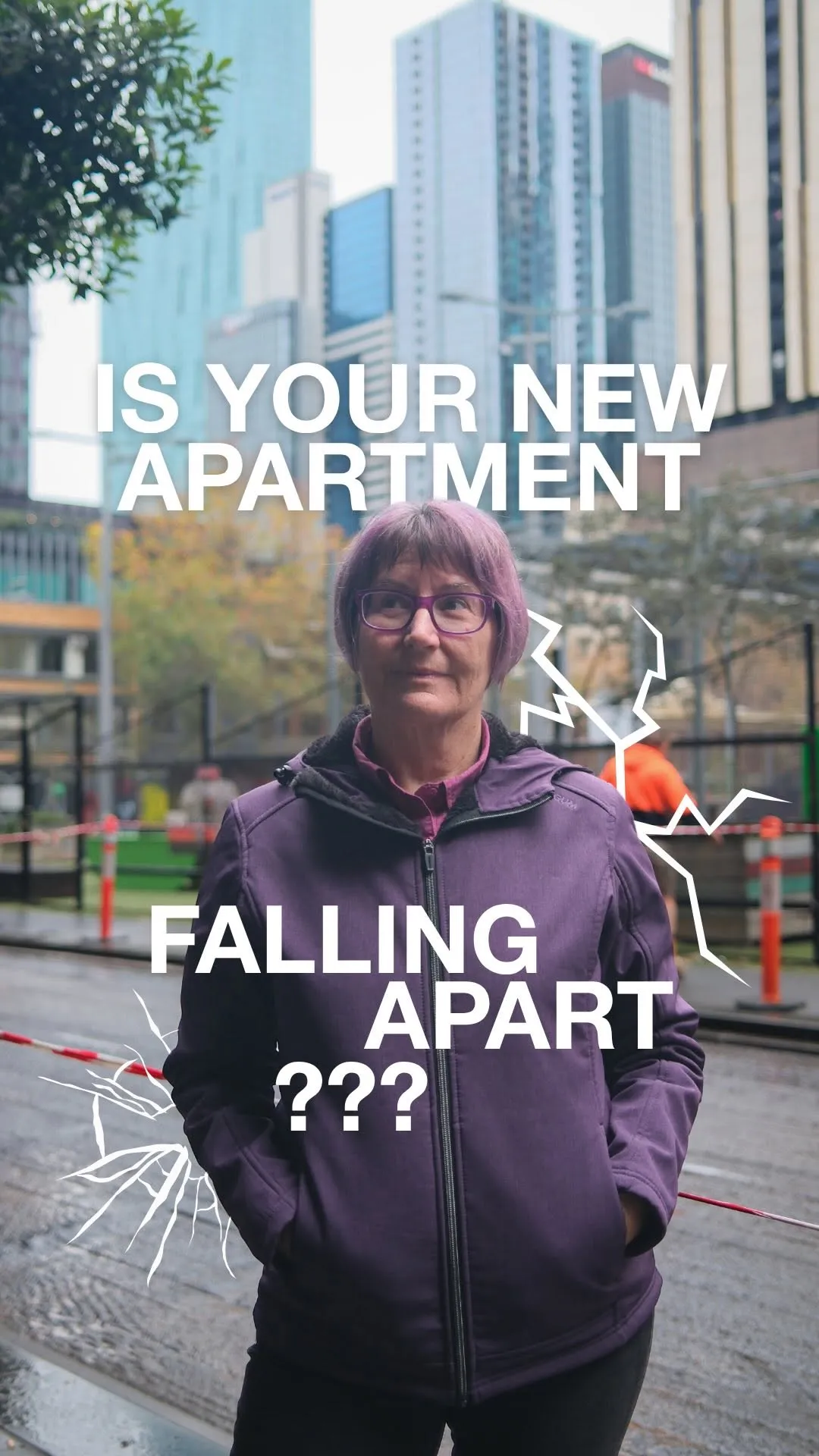
New apartments are often cheaply built and badly designed, but It’s not the fault of a few dodgy builders or bad developers. 🏙️
 
A new Australian Housing and Urban Research Institute (@ahuri_research) report led by RMIT researchers has found that market volatility, which shapes apartment construction projects from the start, is why your new build might feel like a toy apartment, rather than a real home. 🏠

@rmituniversity

New apartments are often cheaply built and badly designed, but It’s not the fault of a few dodgy builders or bad developers. 🏙️   A new Australian Housing and Urban Research Institute (@ahuri_research) report led by RMIT researchers has found that market volatility, which shapes apartment construction projects from the start, is why your new build might feel like a toy apartment, rather than a real home. 🏠

21.1kviews338likes9comments
Instagram
View post
We’re investing in health 🩺
 
Last week, we announced an investment of $30 million to bolster our health and care capability and meet critical skills needs in Victoria. 🏥
 
We’ll use the funds to upgrade existing infrastructure, deliver new equipment and build on our Bundoora campus’ state-of-the-art technology so that our students have access to simulated real-world medical environments where they can develop the skills they need to be job ready. 🩻

@rmituniversity

We’re investing in health 🩺   Last week, we announced an investment of $30 million to bolster our health and care capability and meet critical skills needs in Victoria. 🏥   We’ll use the funds to upgrade existing infrastructure, deliver new equipment and build on our Bundoora campus’ state-of-the-art technology so that our students have access to simulated real-world medical environments where they can develop the skills they need to be job ready. 🩻

1.7klikes5comments
Instagram
View post
Did you know there’s an indigenous heritage trail right on our Bundoora Campus? The Keelbundoora Scar Tree and Heritage Trail opened for National Reconciliation Week in 2008 after being proposed by the Ngarara Willim Centre and developed under the guidance of the Wurundjeri Land Council. 
 
It features poles designed and decorated by students in the Indigenous Arts Unit and plantings by Conservation and Land Management students, Indigenous Land Management students and the Friends of Bundoora Redgums Inc.
 
Home to more than 90 magnificent River Red Gums, the trail includes six scar trees, their bark carefully removed to craft items such as containers or baby beds. These trees remind us that deep technical skill, ingenuity and learning on this Country long predate settler colonial knowledge systems.

Huge thanks to RMIT Archives for the planning image and historical context.
 
📸 Image descriptions
Slide 1: Video of the The Heritage Peppercorn Tree on the Keelbundoora Scar Tree and Heritage Trail
Slide 2: An image of original planning for the trail [Reference: ‘Campus Planning - Property Services Files 1995 – 2004’, Series S2008/042, RMIT University Archives]
Slide 3: Video of the lake on Bundoora campus, with a duck swimming
Slide 4: Video of the relocated scar tree
Slide 5: Video of poles designed and decorated by students in the Indigenous Arts Unit near the barbeque area
Slide 6: A closer video of the poles designed and decorated by students in the Indigenous Arts Unit

@rmituniversity

Did you know there’s an indigenous heritage trail right on our Bundoora Campus? The Keelbundoora Scar Tree and Heritage Trail opened for National Reconciliation Week in 2008 after being proposed by the Ngarara Willim Centre and developed under the guidance of the Wurundjeri Land Council.    It features poles designed and decorated by students in the Indigenous Arts Unit and plantings by Conservation and Land Management students, Indigenous Land Management students and the Friends of Bundoora Redgums Inc.   Home to more than 90 magnificent River Red Gums, the trail includes six scar trees, their bark carefully removed to craft items such as containers or baby beds. These trees remind us that deep technical skill, ingenuity and learning on this Country long predate settler colonial knowledge systems. Huge thanks to RMIT Archives for the planning image and historical context.   📸 Image descriptions Slide 1: Video of the The Heritage Peppercorn Tree on the Keelbundoora Scar Tree and Heritage Trail Slide 2: An image of original planning for the trail [Reference: ‘Campus Planning - Property Services Files 1995 – 2004’, Series S2008/042, RMIT University Archives] Slide 3: Video of the lake on Bundoora campus, with a duck swimming Slide 4: Video of the relocated scar tree Slide 5: Video of poles designed and decorated by students in the Indigenous Arts Unit near the barbeque area Slide 6: A closer video of the poles designed and decorated by students in the Indigenous Arts Unit

422likes0comments
Instagram
View post

Interested in RMIT University?

BETA
New York

25 Kent Ave, Suite 401
Brooklyn, NY
11249


North Carolina

204 N Person
Street. Raleigh, NC
27601

Australia

Level 8, 418a
Elizabeth Street,
Surry Hills,
Sydney, 2010