Agricultural Equipment Operators
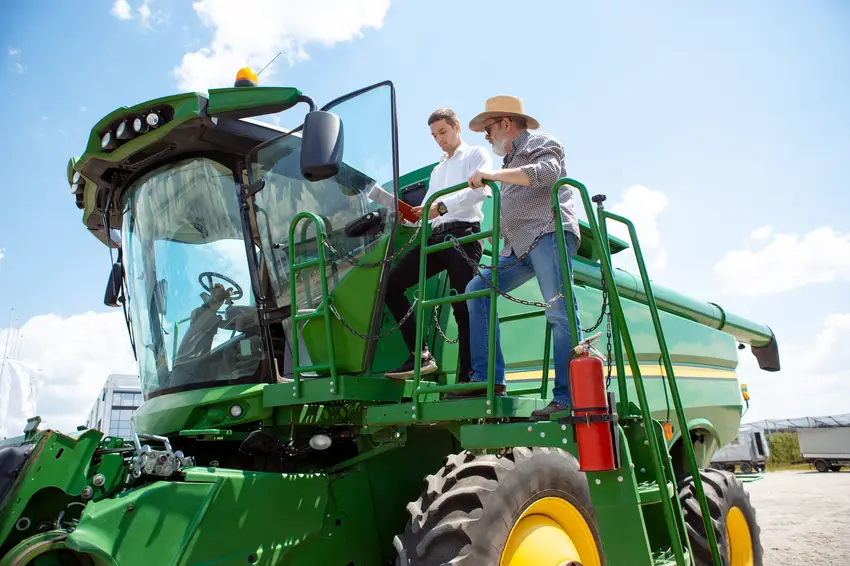
Agricultural Equipment Operators drive and control machinery to support farming activities like tilling soil, planting, cultivating, and harvesting crops, as well as feeding and herding livestock. They may also handle tasks such as crop baling or hay bucking and operate stationary equipment for post-harvest processes like husking and threshing. This role is essential in ensuring the smooth operation of agricultural tasks.
Did you know?
In Australia, you can start with a Certificate II or III in Agriculture or Rural Operations through TAFE or agricultural colleges. Many operators also learn through apprenticeships or on-farm training programs that combine practical experience with formal qualifications.
At a glance
Typical average pay
$65,000 Avg/yr
Growth
Stable
Top skill
Operation and Control
Things to consider
Safety and Technical Skills Development
This role requires strong mechanical skills and strict adherence to safety protocols when operating heavy machinery. Developing skills in equipment maintenance, GPS technology, and understanding agricultural chemicals and processes is essential for success.
Career Progression and Specialisation
Starting as an equipment operator can lead to farm management roles, agricultural contracting, or specialising in specific types of machinery. Many operators eventually start their own contracting businesses or advance to supervisory positions on large agricultural operations.
Key responsibilities
Prepares and positions plant for operation
Operates tractor-drawn and self-propelled plant to plough land and sow, fertilise, cultivate and harvest crops and avoid damaging crops
Adjusts speed, height and depth of implements
Keeps log tallies and writes work reports
Services plant and performs minor repairs