Agricultural Sciences Lecturers
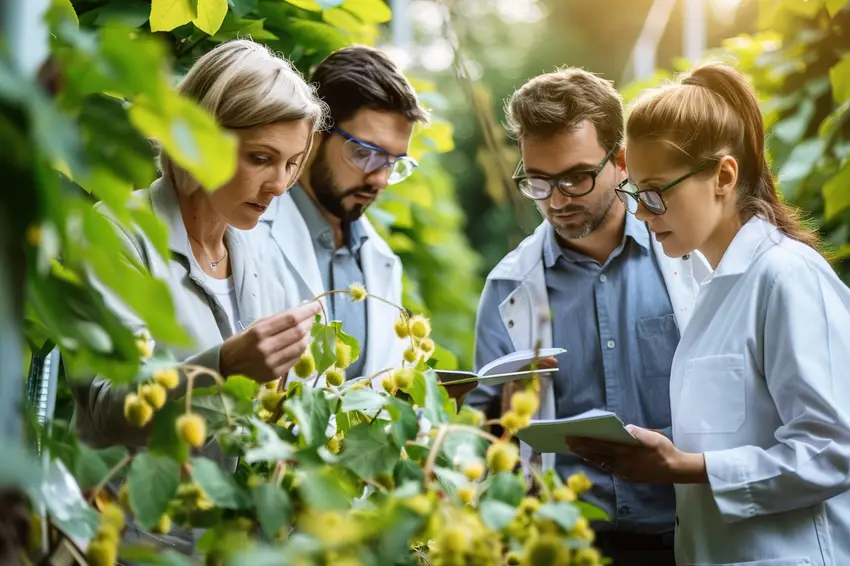
Agricultural Sciences Lecturers teach university students about various aspects of agriculture, including crop science, animal husbandry, soil conservation, and sustainable farming practices. They combine classroom teaching with hands-on laboratory work and field research, using modern technology like precision agriculture tools and data analysis software. This role requires advanced knowledge in agricultural sciences and often involves conducting research to advance the field. Lecturers work in collaborative academic environments, mentoring the next generation of agricultural professionals.
Did you know?
To become an Agricultural Sciences Lecturer in Australia, you'll need to complete a Bachelor's degree in Agricultural Science or related field, followed by a PhD. This typically takes 7-10 years of study after high school, but provides deep expertise in your chosen agricultural specialty.
At a glance
Typical average pay
$105,000 Avg/yr
Growth
Fast growing
Top skill
Instructing
Things to consider
Research and Teaching Balance
University lecturers typically split their time between teaching students and conducting research. You'll need strong communication skills to explain complex concepts and research skills to contribute new knowledge to agricultural science.
Industry Connections and Practical Experience
Many agricultural lecturers maintain connections with farming communities and agricultural industries. Gaining practical experience through internships, farm work, or industry placements during your studies will enhance your teaching credibility.