Agricultural Technicians
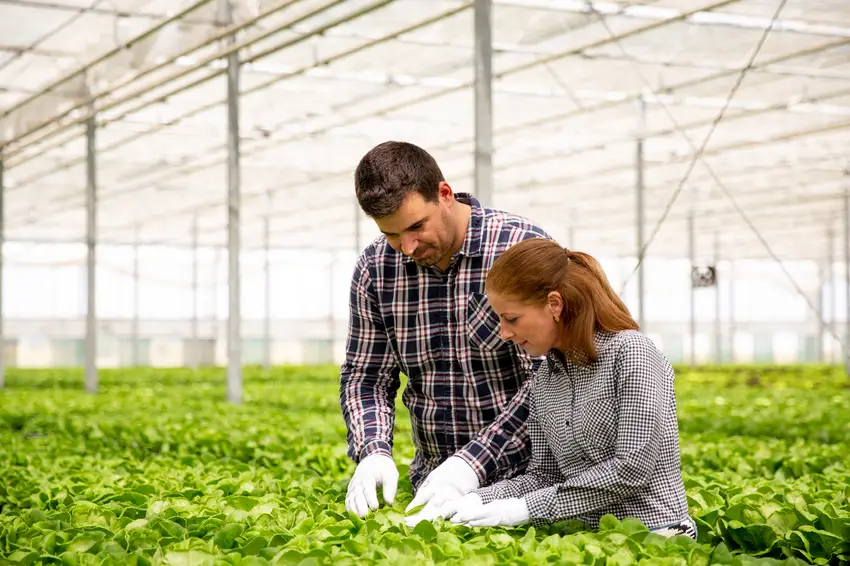
Agricultural Technicians work alongside scientists to improve farming practices and food production through research and testing. They collect samples from crops and animals, maintain laboratory equipment, and conduct experiments to develop better yields and disease resistance. Using modern technology like GPS systems, drones, and laboratory instruments, they help solve real-world agricultural challenges. This career combines hands-on fieldwork with scientific analysis, offering opportunities to contribute to sustainable farming and food security.
Did you know?
Consider pursuing a Certificate III or IV in Agriculture, or a Diploma in Agricultural Technology after Year 12. Many TAFE institutes across Australia offer these qualifications, and some universities provide Bachelor degrees in Agricultural Science for advanced career opportunities.
At a glance
Typical average pay
$68,000 Avg/yr
Growth
Stable
Top skill
Reading Comprehension
Things to consider
Practical Skills Development
Develop hands-on experience through school farm programs, agricultural shows, or work experience on farms. Strong observation skills, attention to detail, and comfort working with both technology and animals are essential for success in this field.
Career Opportunities and Growth
Agricultural Technicians can work in research institutions, government departments, private laboratories, or on-farm consulting. With experience, you can advance to senior technician roles, farm management positions, or specialise in areas like biotechnology or sustainable agriculture.
Key responsibilities
Examining topographical, physical and soil characteristics of farmland to determine its most effective use and identify nutrient deficiencies
Assisting in developing new methods of planting, fertilising, harvesting and processing crops to achieve optimum land usage
Identifying pathogenic micro-organisms and insects, parasites, fungi and weeds harmful to crops and livestock, and assisting in devising methods of control
Analysing produce to set and maintain standards of quality
Inspecting livestock to gauge the effectiveness of feed formulae