Aircraft Mechanics
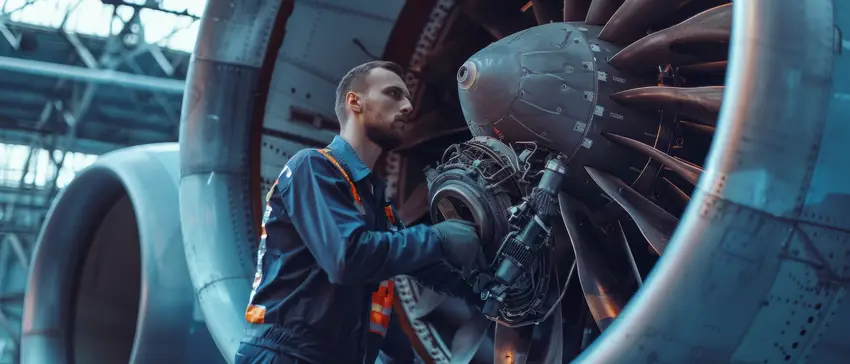
You'd maintain and repair airplanes to keep them safe and flight-ready by inspecting engines, hydraulics, and electronic systems. You'd follow strict FAA safety rules, use specialized tools, review technical manuals, and use modern diagnostic software.
Did you know?
In Australia, aircraft mechanics must obtain a Licence Aircraft Maintenance Engineer (LAME) licence from the Civil Aviation Safety Authority (CASA). This requires completing approved training courses and gaining practical experience under supervision.
At a glance
Typical average pay
$75,000 Avg/yr
Growth
Stable
Top skill
Repairing
Things to consider
Educational Pathways and Training
Students can pursue a Certificate III or IV in Aeroskills (Mechanical) through TAFE or registered training organisations. Apprenticeships are also available, combining classroom learning with hands-on experience in the aviation industry.
Career Opportunities and Work Environment
Aircraft mechanics work in various settings including airports, maintenance hangars, and aircraft manufacturing facilities. Career progression can lead to supervisory roles, specialised areas like avionics, or starting your own maintenance business.
Key responsibilities
Dismantles, inspects, tests, repairs and reassembles aircraft engines, ancillary motors and engine accessories, electrical systems and sub-assemblies of aircraft frames
Installs electrical circuits and equipment
Tests aircraft communication equipment, aircraft instrumentation and electronic systems using electronic testing equipment and specialised apparatus
Replaces and tests aircraft oxygen system components
Assembles parts and sub-assemblies of aircraft frames