Airline Pilots
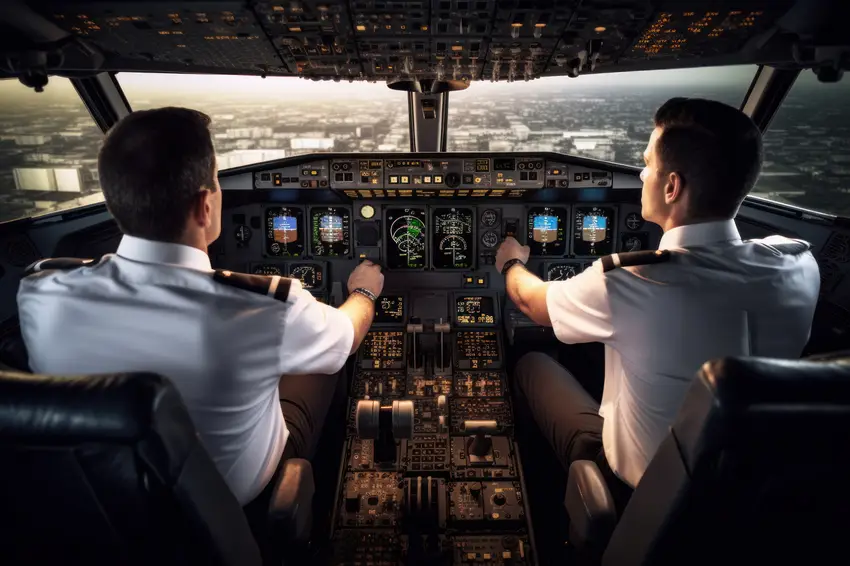
Airline Pilots fly commercial aircraft safely, navigating routes, managing fuel, and communicating with air traffic control. Modern pilots use advanced autopilot systems, digital navigation, weather radar, and real-time flight optimization software. This demanding career requires technical knowledge, leadership skills, problem-solving ability, and extensive flight training and licensing.
Did you know?
To become an airline pilot in Australia, you'll need to complete flight training through organisations like CASA-approved flight schools, obtain a Commercial Pilot Licence (CPL), and accumulate significant flight hours. Many pilots start with a Bachelor's degree in Aviation or complete integrated airline pilot programs.
At a glance
Typical average pay
$200,000 Avg/yr
Growth
Fast growing
Top skill
Operation and Control
Things to consider
Essential Skills and Physical Requirements
Pilots need excellent mathematical skills, spatial awareness, and strong communication abilities. You must also meet strict medical and vision requirements, maintain physical fitness, and demonstrate emotional stability under pressure.
Career Progression and Opportunities
Career paths typically start with flight instructor roles or regional airlines, progressing to major domestic and international carriers. Pilots can advance from First Officer to Captain, and some move into training, management, or specialised aviation roles.
Key responsibilities
Gives in-flight instruction, supervises solo flights, accompanies students on training flights and demonstrates techniques for controlling aircraft