Anaesthetic Technicians
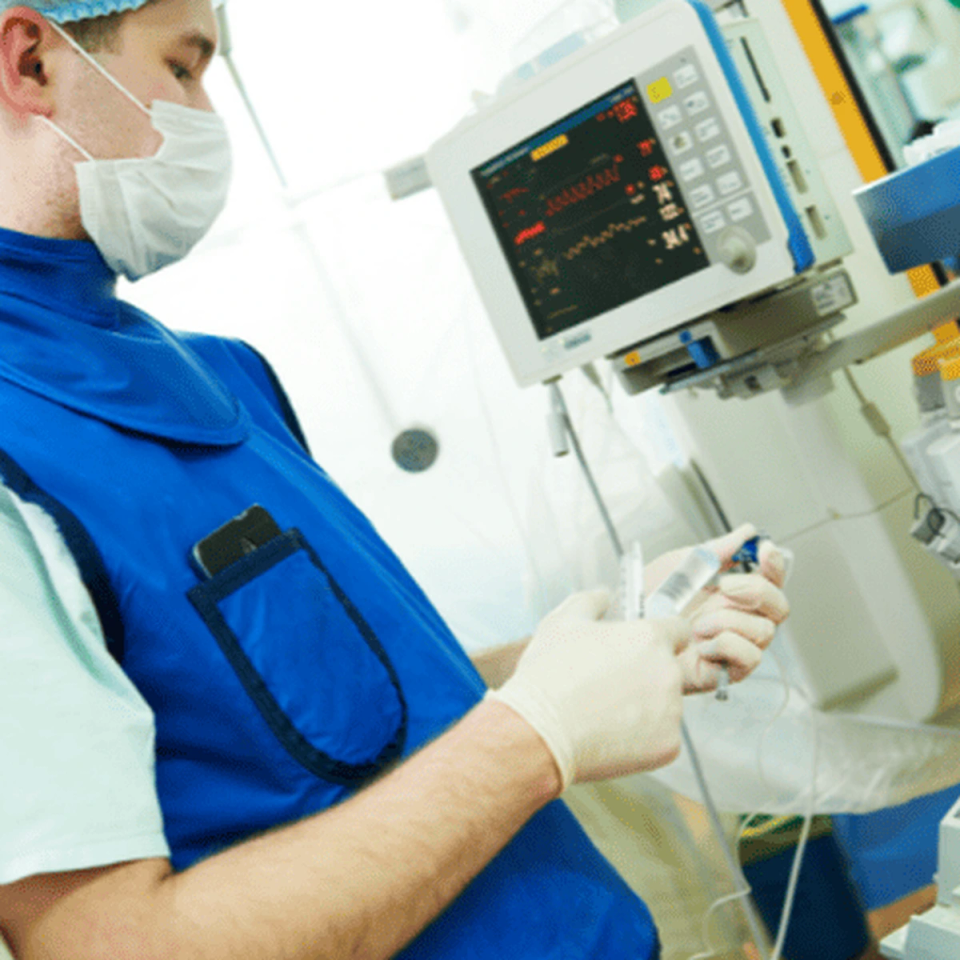
Anaesthetic Technicians assist anaesthetists in providing anaesthesia for surgeries and other medical procedures. They help monitor patients' vital signs and ensure their safety and comfort during operations. This role requires attention to detail and strong teamwork skills, with specialised training in medical equipment and patient care.
Did you know?
To become an Anesthesiologist Assistant, you'll need to complete specialised medical training programs, often requiring a bachelor's degree in health sciences or related field first. Some Australian institutions offer specific anaesthesia technician courses that can provide entry into this field.
At a glance
Typical average pay
$75,000 Avg/yr
Growth
Fast growing
Top skill
Active Listening
Things to consider
Essential Skills and Attributes
This career requires excellent attention to detail, strong scientific understanding, and the ability to work calmly under pressure. Good communication skills and teamwork are essential as you'll work closely with surgeons, anesthesiologists, and nursing staff.
Career Progression Opportunities
Starting as an anaesthesia technician can lead to advanced roles as an Anesthesiologist Assistant. With additional training and experience, opportunities exist in specialised surgical areas, teaching, or supervisory positions within hospital departments.
Key responsibilities
Operates equipment used in diagnosing and monitoring disorders of the heart, kidneys, nervous system and in anaesthesia
Undertakes and assists with medical analytical procedures and assists anaesthetists and surgical teams