Anesthesiologists
Anesthesiologists are medical doctors who specialise in providing pain relief and managing patient safety during surgical procedures. They administer anaesthetics, monitor vital signs, and ensure patients remain comfortable and stable throughout operations using advanced medical technology and monitoring equipment. This career requires extensive medical training and offers opportunities to work in hospitals, surgical centres, and specialised medical facilities. Strong scientific knowledge, attention to detail, and the ability to work under pressure in collaborative medical teams are essential skills for success.
Did you know?
Becoming an anesthesiologist requires completing a medical degree (6 years), followed by a specialised anaesthesia training program (5 years). This represents a significant time and financial commitment, but leads to a highly rewarding and well-compensated career in medicine.
At a glance
Typical average pay
$320,000 Avg/yr
Growth
Stable
Top skill
Critical Thinking
Things to consider
Strong Science Foundation Needed
Excellence in chemistry, biology, and physics is crucial for understanding how anaesthetics work in the human body. Developing strong analytical and problem-solving skills during high school will prepare you for the rigorous medical school curriculum.
High-Pressure Work Environment
Anesthesiologists work in critical situations where quick decision-making can be life-saving. The role requires excellent communication skills to work effectively with surgical teams and the ability to remain calm under pressure.
Key responsibilities
Performing pre-operative examinations of patients to determine appropriate anaesthetic and sedation in concurrence with Internal Medicine Specialists and Surgeons
Discussing the anaesthetic process with patients and obtaining their informed consent prior to surgery
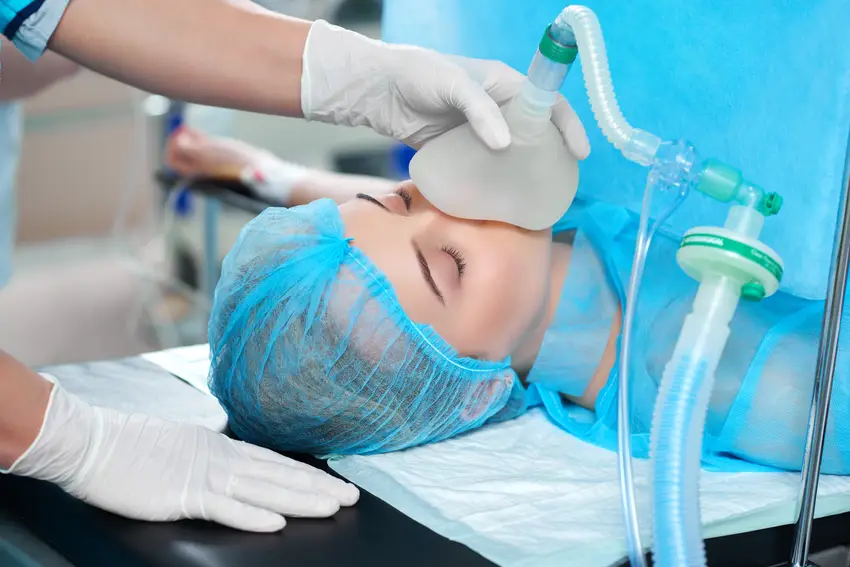
Administering local, regional and general anaesthetics using a variety of methods such as inhalational and intravenous administration
Supervising the transfer of patients to operating theatres, positioning on operating tables, keeping patients warm, and responding quickly and accurately if any problems arise
Monitoring patients throughout surgical procedures and in immediate post-operative procedures