Anthropologists and Archaeologists
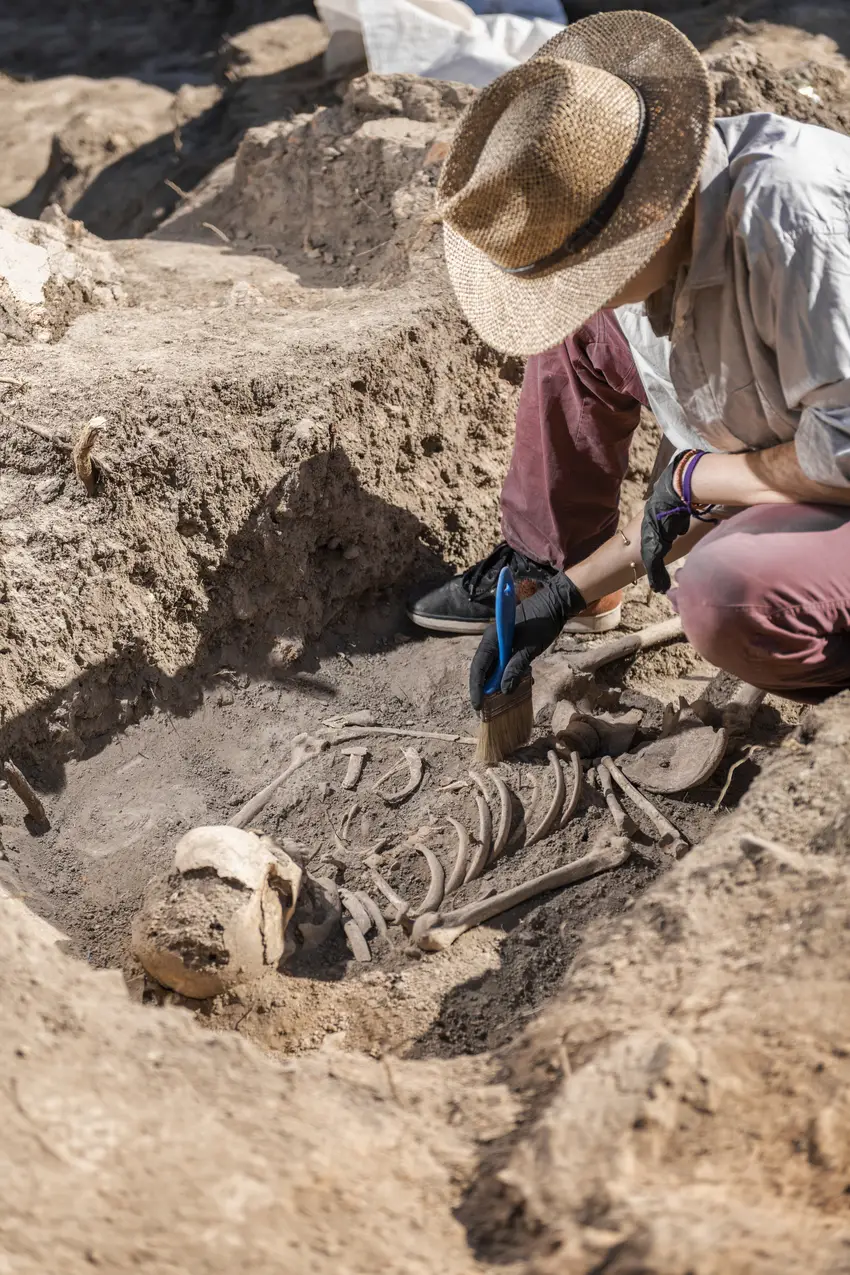
Anthropologists and Archaeologists study human cultures, both past and present, to understand how people lived and developed over time. They excavate ancient sites, analyse artefacts like pottery and tools, and research different societies around the world. Modern professionals use advanced technologies like digital mapping, laboratory analysis, and databases to preserve and study cultural heritage. This field combines fieldwork, research, and storytelling to uncover the fascinating history of human civilisation.
Did you know?
In Australia, becoming an Anthropologist or Archaeologist typically requires a Bachelor's degree in Anthropology, Archaeology, or related fields, followed by postgraduate studies. Many universities offer specialised programs with fieldwork opportunities.
At a glance
Typical average pay
$90,000 Avg/yr
Growth
Stable
Top skill
Speaking
Things to consider
Fieldwork and Research Skills
This career involves outdoor excavation work, laboratory analysis, and extensive research. Students should be prepared for physical work in various weather conditions and develop strong analytical and documentation skills.
Career Opportunities and Work Settings
Graduates can work in museums, universities, government agencies, or cultural heritage organisations. Some opportunities exist in consulting for construction projects that may impact archaeological sites.
Key responsibilities
Uses aerial photography to locate sites that are suitable for excavation and/or digging (for artifacts)
Plans and organises surveys and excavations within a particular archaeological site
Conducts field work (digging for artifacts) using tools such as pickaxes, brushes and bulldozers
Carries out examination, documentation and preservation of artifacts
Performs analysis and interpretation of archaeological data and findings