Athletes
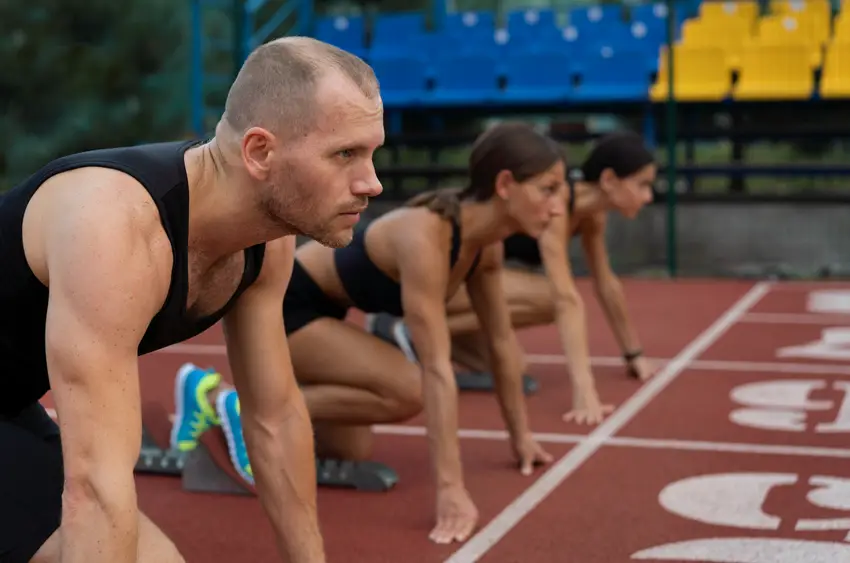
You compete professionally in sports like basketball, soccer, football, or other competitions, training intensively and performing at elite levels for teams and fans. You'll use sports analytics software, work with strength coaches, and manage your brand through social media and sponsorships. Most professional athletes develop skills from childhood through college scholarships; dedication and exceptional talent are essential. It's for highly driven, athletic people with passion for their sport.
Did you know?
Becoming a competitive athlete requires years of dedicated training, proper nutrition, and mental conditioning. Australian sports institutes and academies provide structured pathways for young athletes to develop their skills while maintaining their education.
At a glance
Typical average pay
$75,000 Avg/yr
Growth
Stable
Top skill
Speaking
Things to consider
Career Sustainability and Alternative Pathways
Athletic careers can be unpredictable due to injuries or performance changes. Consider developing skills in coaching, sports management, or sports science as alternative career paths within the sports industry.
Educational Balance and Scholarships
Many Australian universities offer sports scholarships that allow you to pursue higher education while competing. Balancing academics with training provides valuable backup options and develops time management skills essential for athletic success.
Key responsibilities
Maintains a high degree of expertise in a particular sport
Attends regular practice sessions and undertakes private training to maintain the required standard of fitness
Decides on strategies in consultation with coaches
Assesses other competitors and conditions at venues
Competes in sporting events