Aviation Inspectors
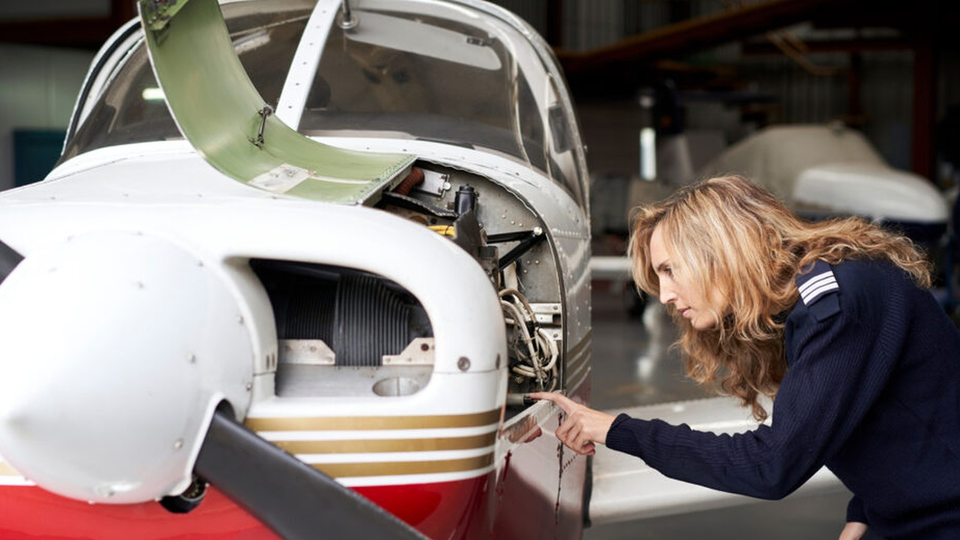
Aviation Inspectors play a crucial role in ensuring aircraft safety by thoroughly examining planes, maintenance procedures, and aviation equipment to meet strict safety regulations. They use advanced digital inspection tools and computerised systems to detect potential issues before they become safety hazards. This career requires strong attention to detail, technical expertise, and often involves working closely with aviation maintenance teams and regulatory bodies. The role offers opportunities to work in various aviation settings, from airports to aircraft manufacturing facilities.
Did you know?
In Australia, becoming an Aviation Inspector typically requires completing specialised aviation maintenance or engineering qualifications through TAFE or university programs. Many inspectors start as aircraft maintenance engineers and gain additional certification through the Civil Aviation Safety Authority (CASA).
At a glance
Typical average pay
$100,000 Avg/yr
Growth
Stable
Top skill
Critical Thinking
Things to consider
Technical Skills and Attention to Detail
This career demands exceptional attention to detail and strong technical problem-solving skills. Students should focus on developing analytical thinking and precision in their work, as even small oversights can have serious safety implications.
Career Pathways and Opportunities
Aviation Inspectors can work for airlines, aircraft manufacturers, maintenance organisations, or government regulatory bodies. The role offers good job security due to the critical nature of aviation safety and the growing aviation industry in Australia.