Biologists
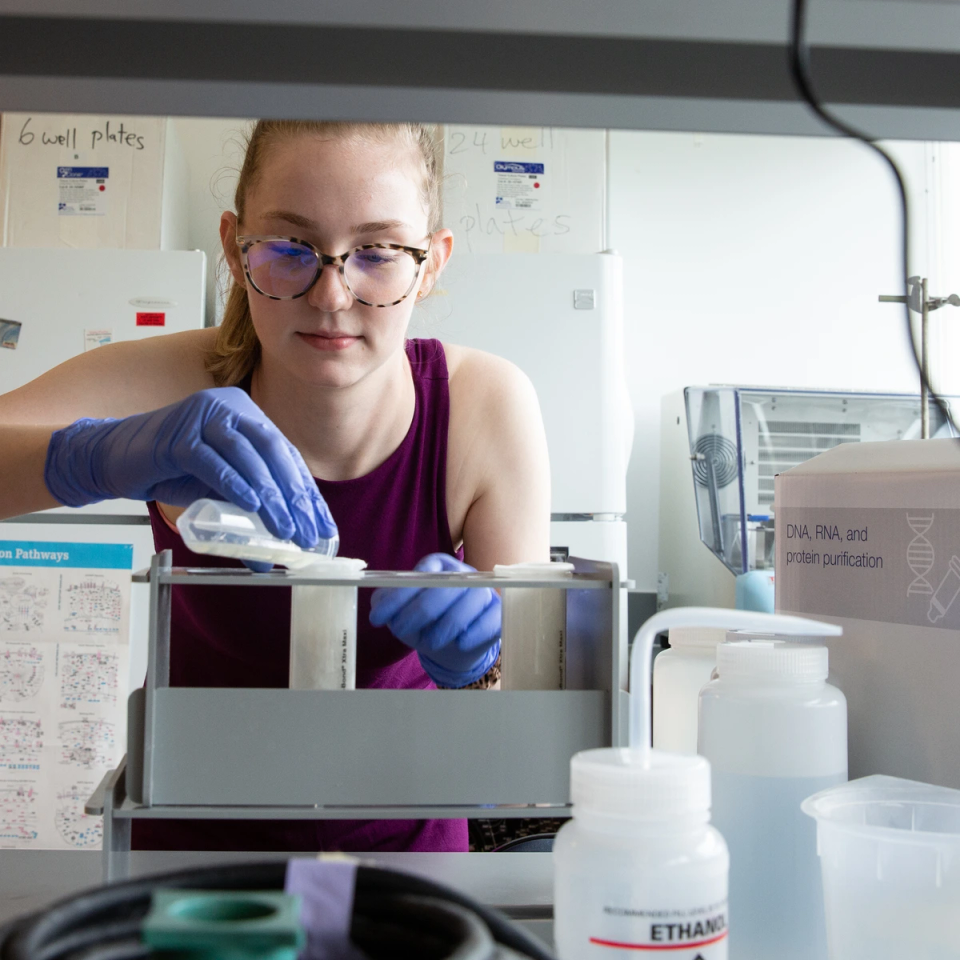
Biologists study living organisms and their interactions with the environment, exploring everything from tiny cells to entire ecosystems. They conduct research on plant and animal life, investigating origins, development, anatomy, and biological functions using modern laboratory equipment and field research techniques. This career combines scientific curiosity with hands-on investigation, often involving collaboration with other scientists and the use of advanced technologies like DNA sequencing and microscopy. Biologists can specialise in areas like marine biology, genetics, or ecology, with pathways through university science degrees.
Did you know?
A Bachelor's degree in Biology, Life Sciences, or related field is essential, with many positions requiring postgraduate qualifications. Australian universities offer excellent biology programs with research opportunities and practical experience.
At a glance
Typical average pay
$88,000 Avg/yr
Growth
Stable
Top skill
Science
Things to consider
Research and Laboratory Skills
Develop strong analytical and research skills during high school, as biologists spend significant time conducting experiments, analysing data, and writing scientific reports. Laboratory experience and attention to detail are crucial.
Career Specialisation Options
Biology offers diverse career paths including wildlife conservation, medical research, environmental consulting, and biotechnology. Consider which area interests you most to guide your subject choices and university specialisation.
Key responsibilities
Designing and conducting experiments, making observations and measurements, researching information, analysing data, preparing or supervising the preparation of laboratory reports and scientific papers, presenting findings at scientific meetings and conferences, and supervising the work of staff
Studying the forms and structures of bodily organs and tissues by systematic observation, dissection and microscopic examination
Investigating the chemical structure and function of living cells and their isolated components, organs and tissues in humans, animals, plants, and micro-organisms
Examining micro-organisms, such as bacteria, fungi, yeast and their enzymes, and using the knowledge gained to create and develop new, and improve existing, products, materials and processes
Investigating the effects of environmental factors, such as rainfall, temperature, sunlight, soil, topography and disease, on plant growth