Camera Operators
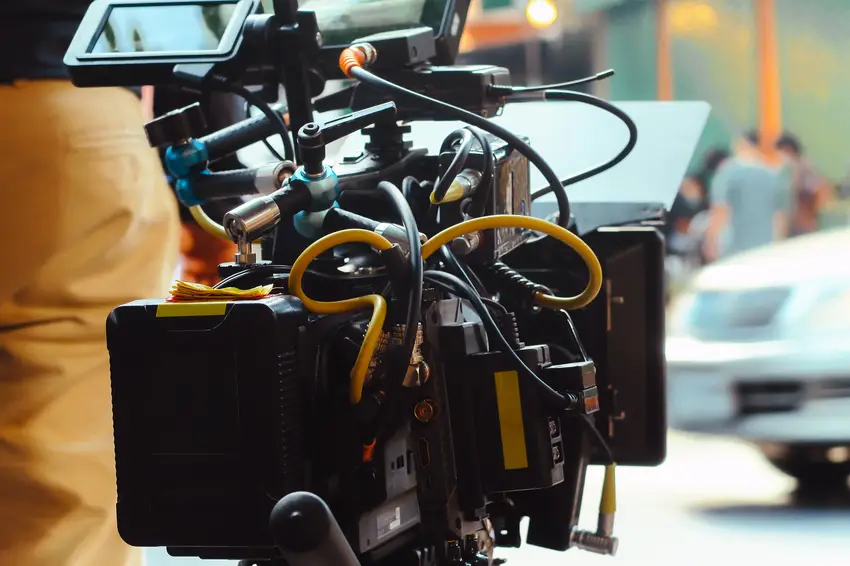
You operate professional cameras for film, television, and streaming content, framing shots and capturing footage that brings stories to life. You'll use high-end digital cameras, lighting equipment, and increasingly drones for aerial shots while collaborating with directors. A film or media degree is valuable; building a portfolio of work through projects is essential. It appeals to creative, technically skilled people interested in visual storytelling.
Did you know?
Consider pursuing a Certificate III or IV in Screen and Media, or a Bachelor's degree in Film and Television Production. Many Australian universities and TAFE institutes offer specialised programs in cinematography and media production.
At a glance
Typical average pay
$80,000 Avg/yr
Growth
Stable
Top skill
Active Listening
Things to consider
Building Technical and Creative Skills
Develop proficiency with camera equipment, lighting techniques, and editing software. Practice with personal projects, school productions, or volunteer work to build a portfolio demonstrating your technical abilities and creative vision.
Industry Entry and Networking
Start with entry-level positions such as camera assistant or production runner to gain experience. The Australian film and television industry values hands-on experience, and networking through industry events and film festivals can lead to opportunities.
Key responsibilities
Selects and attaches equipment to cameras, positions cameras, and follows the action of scenes being photographed while adjusting controls