Chemical System Operators
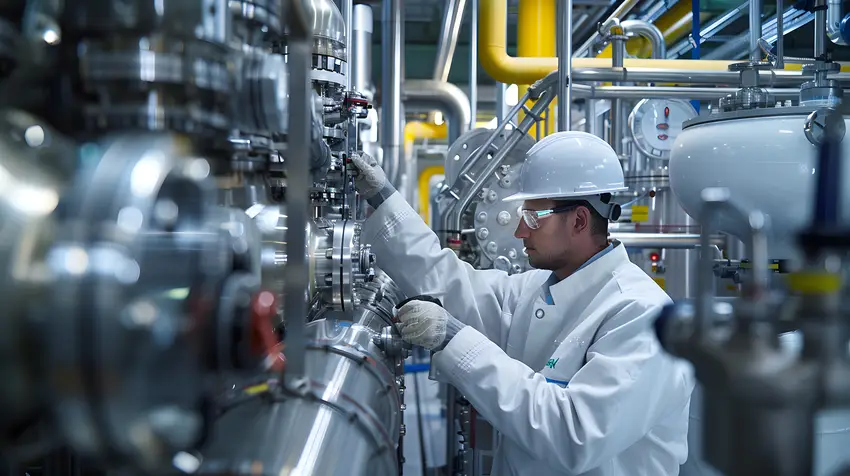
Chemical system operators control and monitor systems that process chemicals, managing valves, pumps, and controls to ensure safe, efficient production of chemicals and chemical products. They use programmable logic controllers, digital monitoring systems, and safety interlocks while responding to process changes and emergencies. You need high school graduation and technical training or apprenticeship in chemical process operations. If you're comfortable with complex systems, detail-oriented, and focused on safety, this role offers stability and skill development.
Did you know?
Chemical plant operators must complete extensive safety training and obtain relevant certifications before working with hazardous materials. This includes understanding emergency procedures and wearing protective equipment at all times.
At a glance
Typical average pay
$92,000 Avg/yr
Growth
Stable
Top skill
Operations Monitoring
Things to consider
Educational Pathways in Australia
Consider pursuing a Certificate III or IV in Process Plant Operations or Chemical, Hydro-carbon and Oil Refining through TAFE. Many employers also provide on-the-job training and apprenticeship programs.
Career Progression Opportunities
Start as a trainee operator and advance to senior operator, shift supervisor, or plant manager roles. Additional qualifications in engineering or management can open doors to technical specialist positions.
Key responsibilities
Controls equipment that performs continuous and batch processes to process chemicals
Controls the preparation, measuring and feeding of raw material and processing agents such as catalysts and filtering media into plant
Patrols and inspects equipment to ensure proper operation and sets operating controls on equipment
Analyses samples and readings and records test data
Controls records of production, quantities transferred and details of blending and pumping operations