Coroners
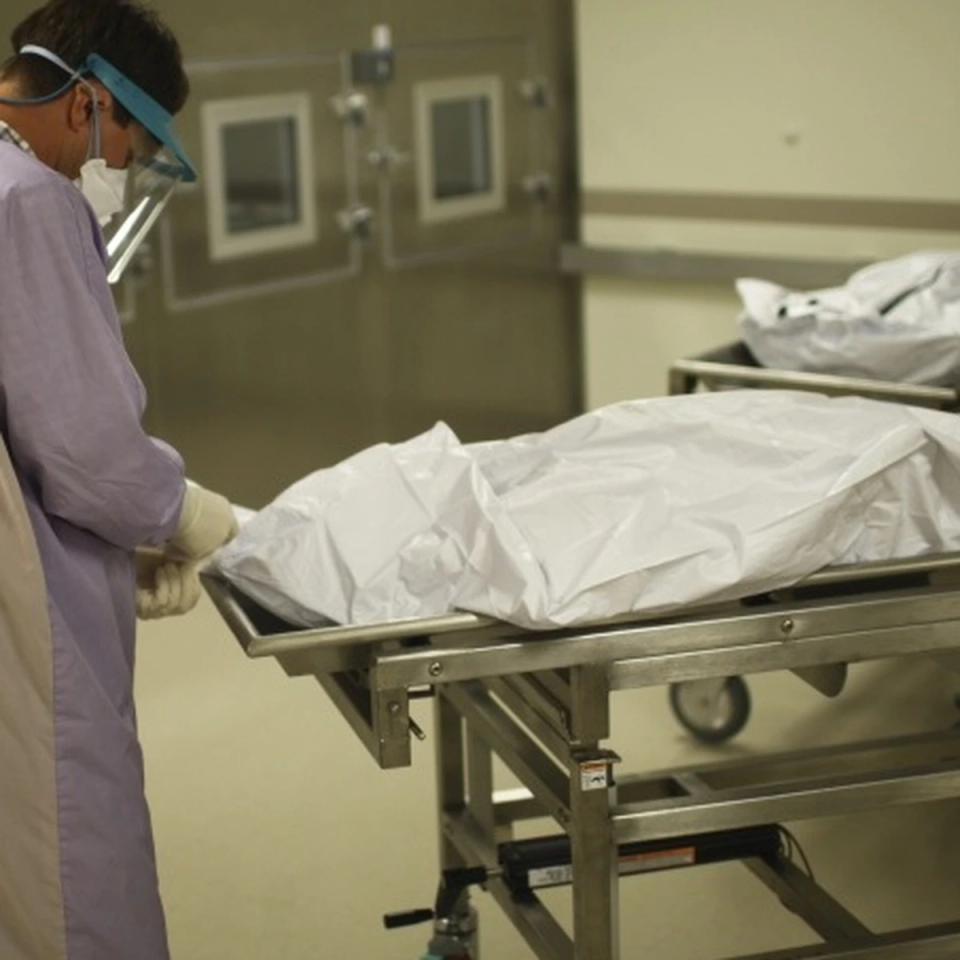
Coroners are medical professionals who investigate deaths to determine the cause and circumstances, particularly in cases involving accidents, violence, or unexplained deaths. They conduct or oversee autopsies, analyse toxicological evidence, and work with forensic laboratories using advanced scientific equipment. This role requires extensive medical training and involves collaboration with law enforcement, legal professionals, and families during difficult times. Coroners play a crucial role in the justice system and public health by providing accurate death investigations.
Did you know?
Becoming a coroner requires completing a medical degree followed by specialised training in forensic pathology. This pathway typically takes 10-15 years of study and training after high school, including medical school and residency programs.
At a glance
Typical average pay
$180,000 Avg/yr
Growth
Stable
Top skill
Speaking
Things to consider
Emotional and Psychological Demands
This career involves working with deceased individuals and grieving families regularly. Strong emotional resilience and excellent communication skills are essential for handling sensitive situations professionally and compassionately.
Legal and Scientific Expertise
Coroners must understand both medical science and legal procedures, as they often testify in court and prepare detailed reports for legal proceedings. Continuous learning is required to stay current with forensic technologies and legal requirements.