Cytogenetic Technologists
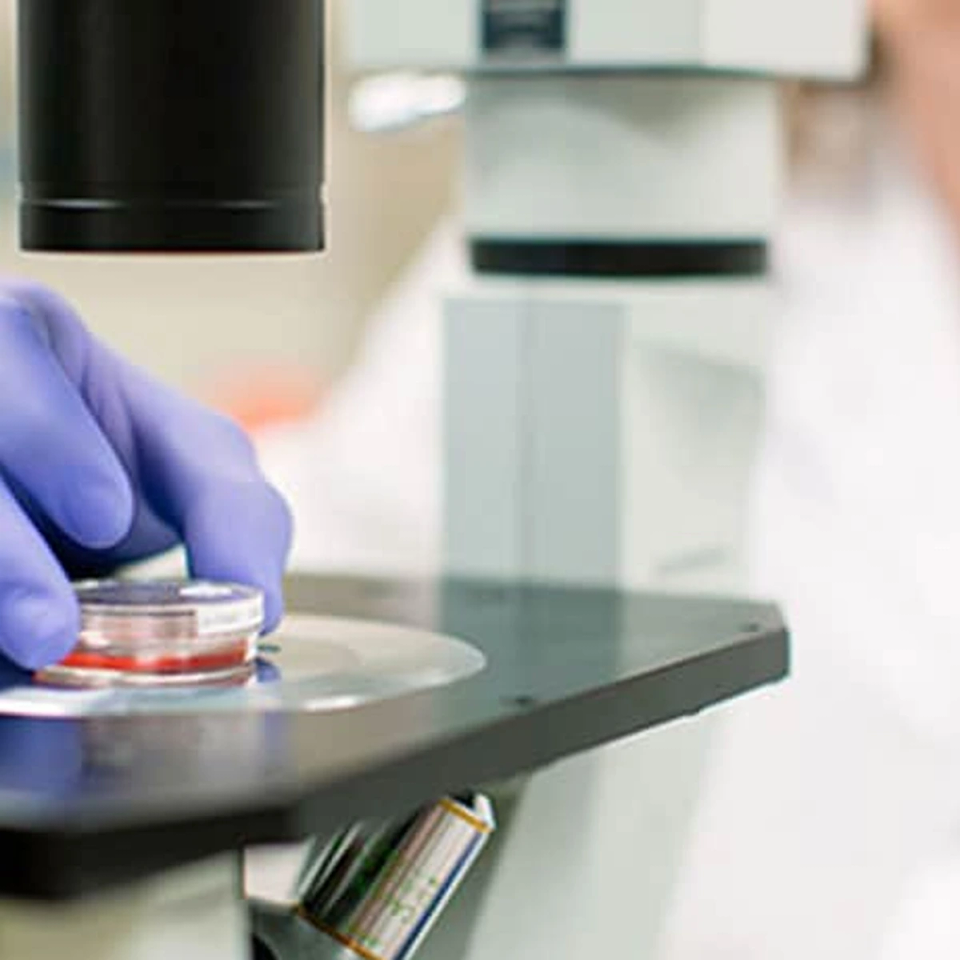
Cytogenetic Technologists are laboratory specialists who study chromosomes and genetic material to help diagnose genetic diseases and disorders. They analyse samples from blood, bone marrow, and other tissues using advanced techniques like fluorescent microscopy and digital imaging systems. This work involves using cutting-edge technology to detect genetic abnormalities that can help doctors provide better treatment for patients. The role requires precision, attention to detail, and collaboration with medical teams in modern laboratory environments.
Did you know?
To become a Cytogenetic Technologist, you'll need to complete a Bachelor's degree in Medical Science, Biomedical Science, or a related field, followed by specialised training in cytogenetics. Some universities offer specific programs in laboratory medicine or genetic technology.
At a glance
Typical average pay
$82,000 Avg/yr
Growth
Stable
Top skill
Reading Comprehension
Things to consider
Laboratory Skills and Technology
This career requires strong analytical skills and comfort working with sophisticated laboratory equipment and microscopes. You'll need to develop precision in handling biological samples and interpreting complex genetic patterns using computer-based analysis systems.
Career Opportunities and Growth
Cytogenetic Technologists can work in hospitals, pathology labs, research institutes, and genetic counselling centres. With experience, you can advance to senior technologist roles, laboratory management, or specialise in areas like prenatal genetics or cancer cytogenetics.
Key responsibilities
Examines patients to determine the nature and extent of problems after referral from general medical practitioners and other medical specialists, and undertakes laboratory tests and diagnostic procedures
Analyses test results and other medical information to make diagnoses
Prescribes and administers drugs, as well as remedial and therapeutic treatment and procedures
Records medical information and data
Reports specified contagious and notifiable diseases to government health and immigration authorities