Drywall Installers
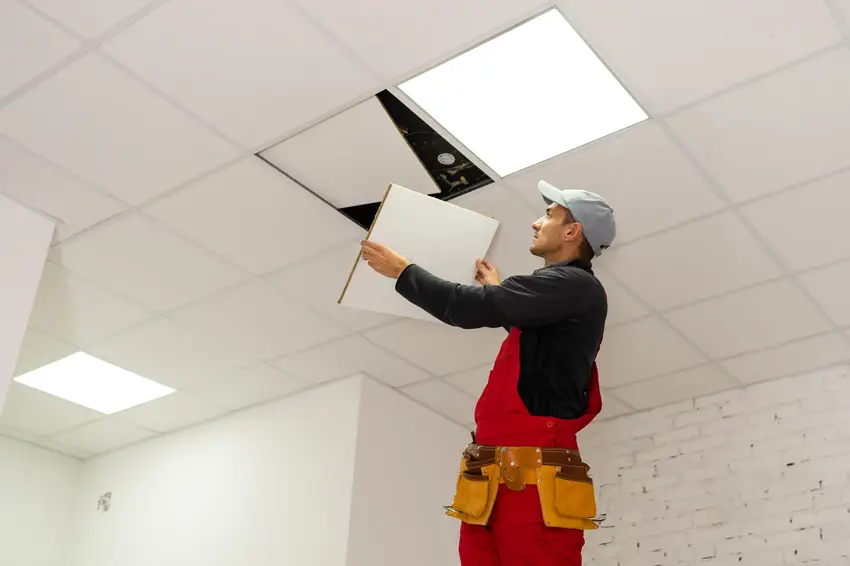
You hang drywall sheets on interior walls and ceilings, then tape, mudding, and sand the joints to create smooth finished surfaces ready for paint or wallpaper. You use drywall lifts, saws, drills, and taping tools to work quickly and precisely. You might also install ceiling tiles and insulation. This skilled trade requires strength, precision, and efficiency.
Did you know?
Most drywall installers start their careers through apprenticeships, which combine on-the-job training with classroom learning. These programs typically last 3-4 years and provide a pathway to becoming a qualified tradesperson with strong job security.
At a glance
Typical average pay
$75,000 Avg/yr
Growth
Stable
Things to consider
Physical Demands and Safety Training
This occupation requires good physical fitness as it involves lifting materials, working at heights, and standing for long periods. Safety training is essential, including learning to use protective equipment and following workplace safety protocols.
Business and Self-Employment Opportunities
Many experienced drywall installers start their own contracting businesses, offering services to builders and homeowners. This path requires business skills alongside technical expertise and can lead to higher earning potential.
Key responsibilities
Determines plasterboard layout and installs insulation and vapour barriers
Measures, marks and cuts plasterboard, lifts and positions panels and secures them to walls, ceilings and battens
Prepares corner beads and securing them in position
Covers joins and nail holes with wet plaster and sealing compounds, and smoothes them using wet brush and sand paper
Plumbs and straightens corners, angles and wall and ceiling surfaces