Environmental Science Technicians
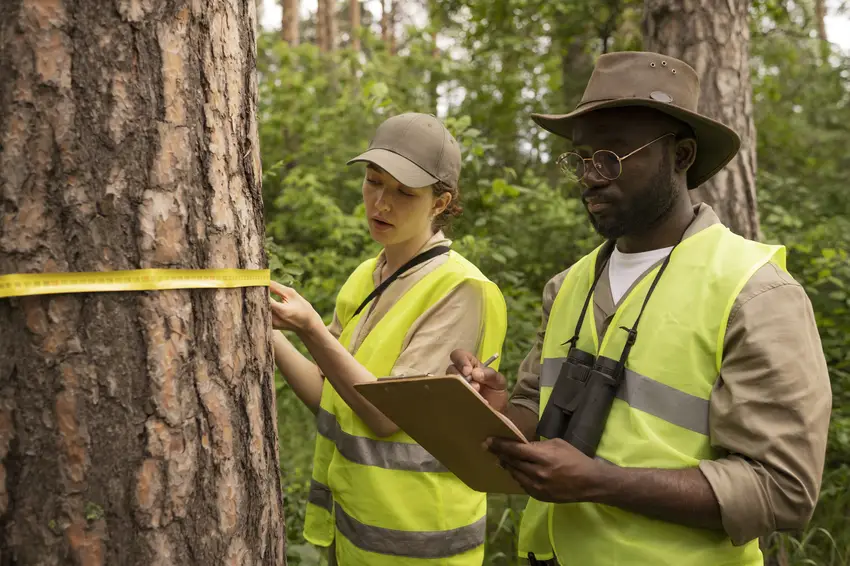
Environmental Science Technicians play a crucial role in protecting our environment and public health by conducting laboratory and field tests to monitor pollution and environmental conditions. They collect samples of air, water, soil, and other materials, then analyse them using modern scientific equipment and digital monitoring systems. This hands-on career combines fieldwork with laboratory analysis, requiring strong attention to detail and scientific knowledge. The role offers opportunities to work with environmental scientists and engineers on projects that directly impact community health and environmental sustainability.
Did you know?
To become an Environmental Science Technician, you can pursue a Certificate III or IV in Laboratory Skills, or a Diploma in Environmental Monitoring and Technology at TAFE. Alternatively, a Bachelor's degree in Environmental Science or related field provides broader career opportunities.
At a glance
Typical average pay
$72,000 Avg/yr
Growth
Stable
Top skill
Reading Comprehension
Things to consider
Practical Skills Development
Focus on developing strong analytical and observational skills during high school. Hands-on experience with scientific equipment and data collection methods is highly valuable, along with computer skills for data analysis and reporting.
Career Growth and Specialisation
Entry-level positions often involve assisting senior technicians, with opportunities to specialise in areas like water quality testing, air pollution monitoring, or soil contamination assessment. With experience, you can advance to supervisory roles or pursue further education to become an environmental scientist.
Key responsibilities
Studies origins, composition and distribution of soils and the materials from which soils are formed
Investigates effect of land use practices on soil
Analyses soil for elements and develops methods for altering soil characteristics to suit different plants
Plans and co-ordinates management practices for the control of soil degradation due to erosion, cultivation, excess water or salinity
Advises on moisture conservation, irrigation and drainage