Extension Educators
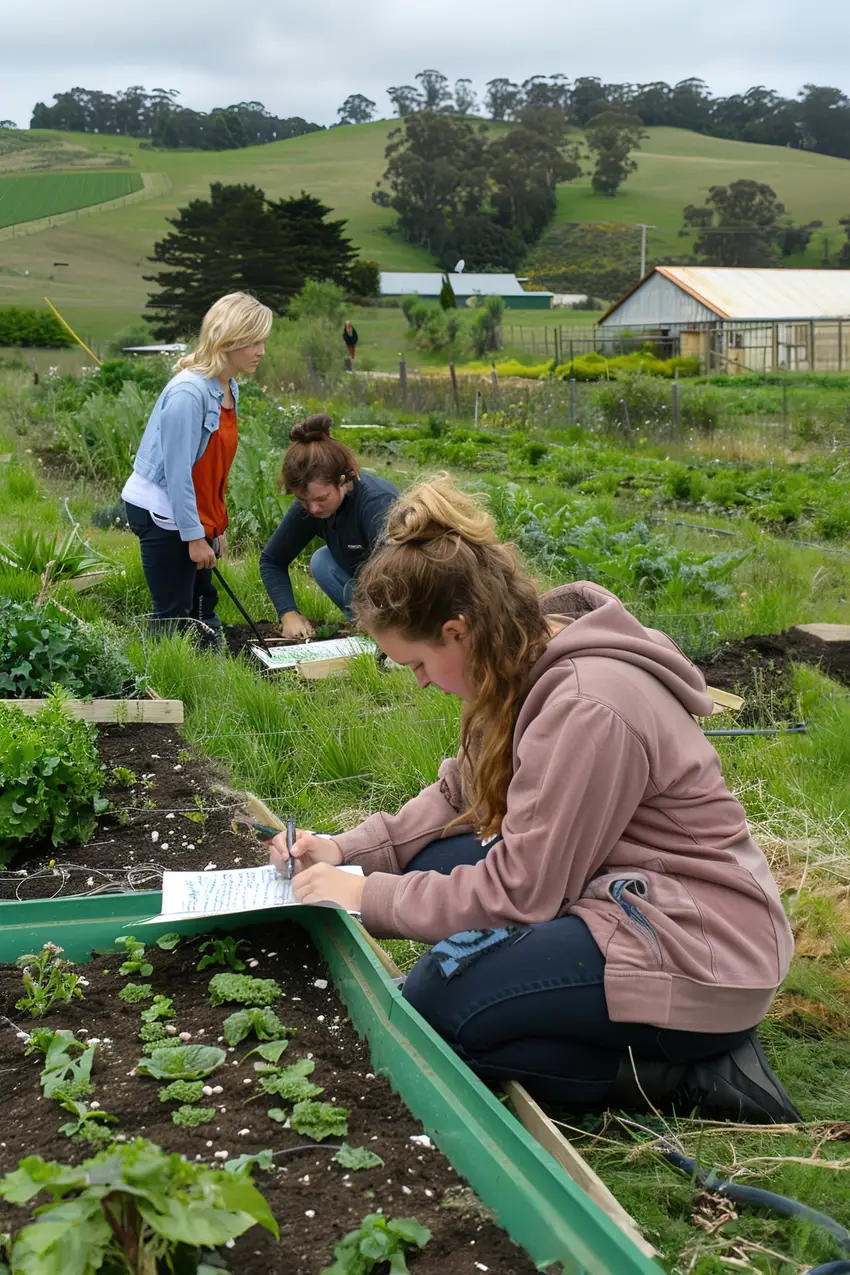
Extension Educators teach farmers and homeowners practical skills for growing food, managing gardens, and caring for animals. They use hands-on demonstrations, online webinars, and apps to share modern farming techniques like sustainable gardening and water conservation. You'd need strong communication skills, knowledge of agriculture or home science, and the ability to explain complex topics in simple ways.
Did you know?
To become a Farm and Home Management Educator, you typically need a Bachelor's degree in Agriculture, Education, or a related field. Many positions also require teaching qualifications or adult education certificates, which can be obtained through universities or TAFE institutions.
At a glance
Typical average pay
$72,000 Avg/yr
Growth
Fast growing
Top skill
Active Listening
Things to consider
Diverse Career Opportunities
This career offers opportunities to work with government agencies, agricultural extension services, community organisations, or educational institutions. You might specialise in areas like sustainable farming, nutrition education, or rural community development.
Essential Skills and Experience
Strong communication skills, practical knowledge of agriculture or home management, and the ability to work with diverse communities are crucial. Gaining experience through volunteering with rural organisations or participating in agricultural programs can be valuable.
Key responsibilities
Collects and analyses data and samples of produce, fertiliser, feed, soil and other factors affecting production
Advises farmers and farm managers on techniques for improving the production of crops and livestock, and alternative agricultural options
Advises farmers on issues such as livestock and crop disease, control of pests and weeds, soil improvement, animal husbandry and feeding programmes