Farm and Aquaculture Animal Workers
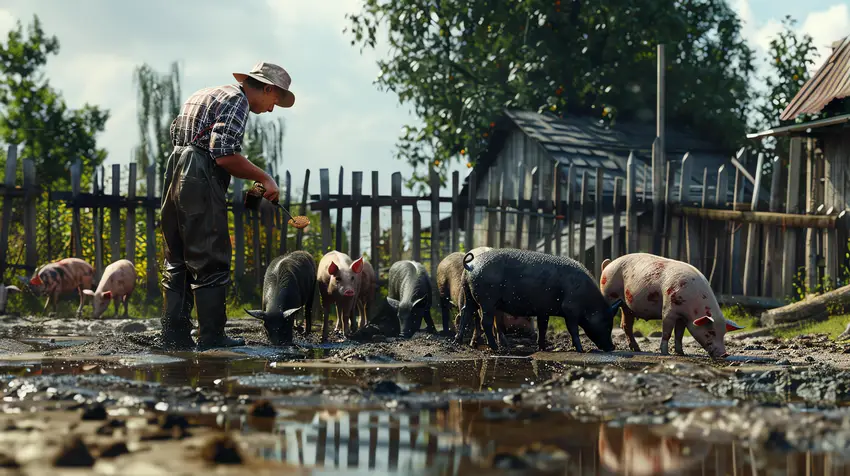
Farm and Aquaculture Animal Workers care for a variety of animals such as cattle, sheep, goats, horses, poultry, rabbits, fish, shellfish, and bees. They perform tasks like feeding, watering, herding, grazing, milking, castrating, branding, de-beaking, weighing, catching, and loading animals. They also maintain records, check for diseases, assist in births, and give medications or vaccinations. This role involves cleaning animal housing and includes shearing sheep and collecting eggs in hatcheries.
Did you know?
Consider pursuing a Certificate II or III in Agriculture or Animal Studies through TAFE after Year 12. Many positions offer on-the-job training, and you can advance to farm management roles with additional qualifications in Agricultural Business or Rural Management.
At a glance
Typical average pay
$52,000 Avg/yr
Growth
Stable
Top skill
Critical Thinking
Things to consider
Physical and Practical Skills Development
This role requires physical fitness and hands-on problem-solving abilities. Develop comfort working with animals and in outdoor environments, as well as basic mechanical skills for equipment maintenance.
Career Progression Opportunities
Start as a general farm hand and progress to specialised roles like livestock supervisor, farm manager, or even farm owner. Experience can also lead to careers in veterinary assistance, agricultural consulting, or animal nutrition.
Key responsibilities
Patrolling, inspecting and reporting on the condition of crops and livestock
Operating farm machines to cultivate, plant, fertilise, spray and harvest field crops
Maintaining and repairing buildings, machines, fences, plant and water systems
Loading and unloading seed grain, fertilisers and livestock feed, and loading field crops into transporters for marketing
Irrigating land for crop growth