File Clerks
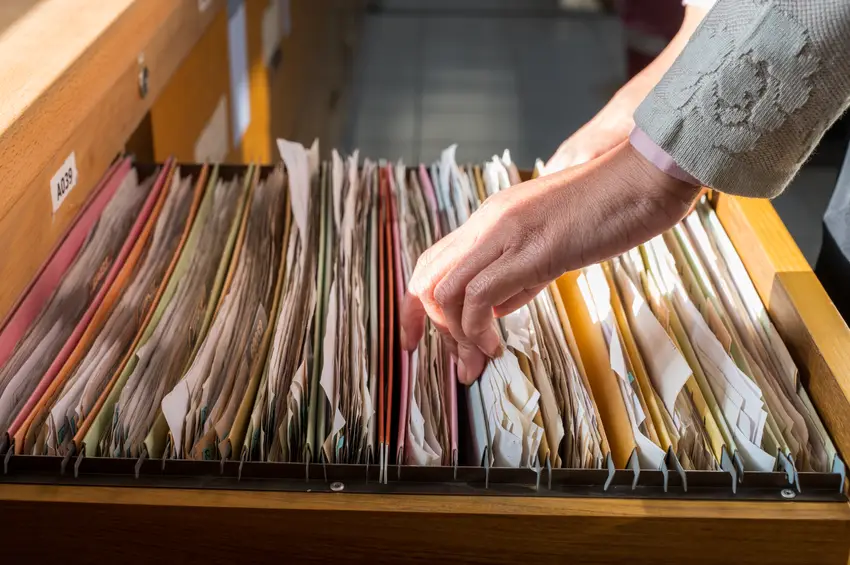
File Clerks are responsible for organising and maintaining important documents and records in businesses and organisations. They file correspondence, invoices, receipts, and other materials using alphabetical, numerical, or specialised filing systems, and retrieve documents when needed. Modern File Clerks often work with both physical and digital filing systems, using computer databases and document management software. This role requires strong attention to detail and organisational skills, making it an excellent entry point into administrative careers.
Did you know?
File Clerk positions are often available as entry-level roles that require minimal experience, making them accessible to recent school graduates. Many employers provide on-the-job training for specific filing systems and procedures.
At a glance
Typical average pay
$52,000 Avg/yr
Growth
Stable
Top skill
Reading Comprehension
Things to consider
Skills Development and Technology
Modern File Clerks need to be comfortable with both traditional filing methods and digital document management systems. Developing computer skills and familiarity with database software will enhance job prospects significantly.
Career Progression Pathways
File Clerk roles can lead to advancement opportunities in administration, records management, or office coordination. With additional training, you can progress to supervisory positions or specialise in areas like legal or medical records management.
Key responsibilities
Sorting information and documents for filing according to database and record management system protocols
Classifying and coding information and documents for inclusion in database and record management systems
Updating and modifying records
Filing information and documents in database and record management systems
Identifying and retrieving information and documents for users