Firefighters
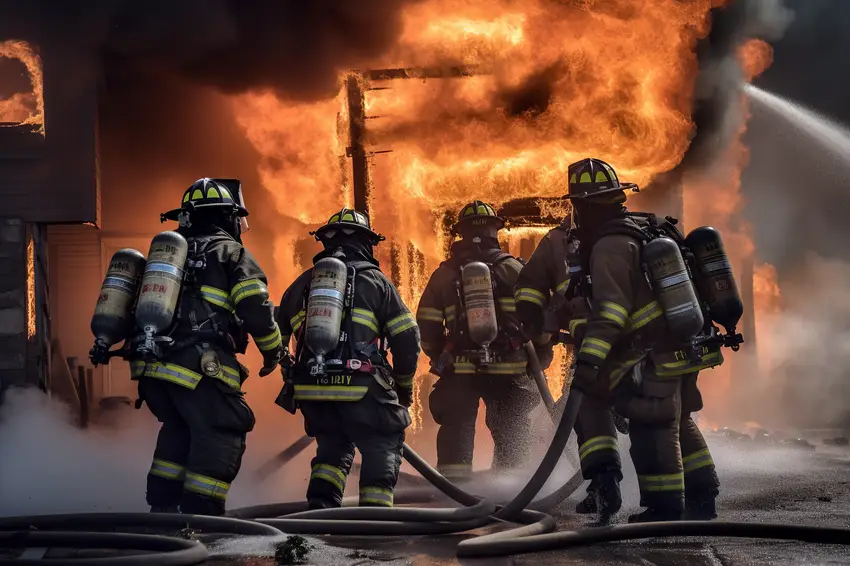
Firefighters are emergency responders who protect lives, property, and the environment by controlling fires and responding to various emergency situations. They handle fire suppression, emergency medical services, hazardous material incidents, search and rescue operations, and disaster response using advanced equipment and technology. Modern firefighters work as part of highly trained teams and often use sophisticated tools like thermal imaging cameras and specialised rescue equipment. This career requires physical fitness, quick decision-making skills, and ongoing training to stay current with safety protocols and emergency response techniques.
Did you know?
Firefighting is physically demanding and requires excellent fitness levels. In Australia, you'll need to complete firefighter training programs and pass rigorous physical and medical assessments to qualify for this career.
At a glance
Typical average pay
$90,000 Avg/yr
Growth
Stable
Top skill
Critical Thinking
Things to consider
Educational Pathways and Certifications
While a university degree isn't always required, completing Year 12 and pursuing certificates in Public Safety or Emergency Services can be beneficial. Many fire services offer cadet programs and apprenticeships for school leavers.
Career Diversity and Specialisation
Firefighters can specialise in areas like hazardous materials, rescue operations, fire investigation, or emergency medical services. Career progression can lead to roles in fire prevention, training, or management positions.
Key responsibilities
Attends the scene of fires and other emergencies
Rescues and evacuates people stranded or trapped in dangerous situations
Operates pumps, sprays water, foam and chemicals from hoses, portable extinguishers and other appliances to extinguish fires and to disperse or neutralise dangerous substances
Cuts openings in buildings and crashed vehicles to free occupants
Maintains site security systems