Fishing Workers
You catch fish and seafood using boats and specialized equipment, working on water to harvest seafood commercially for markets and restaurants. Modern fishing workers use advanced fishing technology, GPS navigation, sustainable fishing practices, sonar systems, and seafood handling procedures. You need physical fitness, seamanship, knowledge of fish species and ecosystems, and ability to work in challenging conditions. This essential job provides food and supports fishing communities.
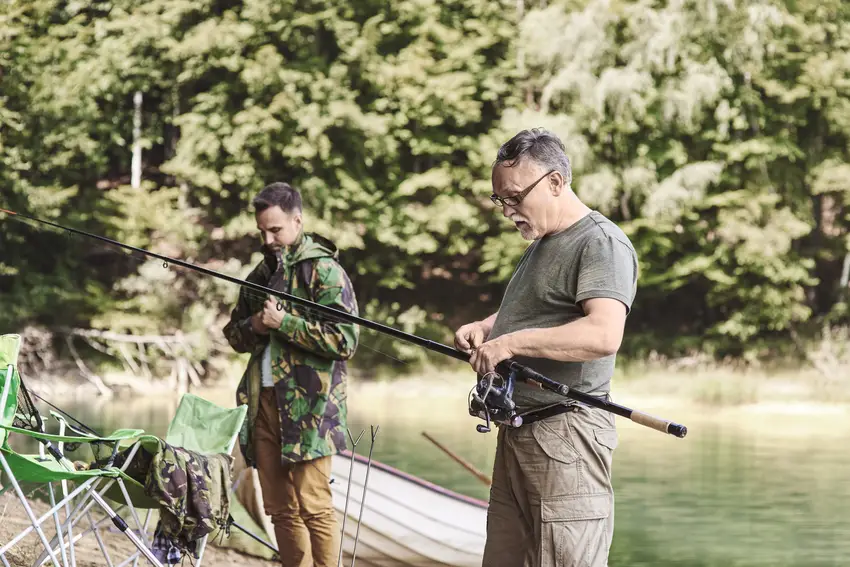
Did you know?
Most fishing and hunting activities require specific licences and permits in Australia. Consider completing courses in boat operation, firearms safety, and sustainable harvesting practices through TAFE or industry organisations.
At a glance
Typical average pay
$58,000 Avg/yr
Growth
Stable
Top skill
Critical Thinking
Things to consider
Physical Demands and Safety Considerations
This occupation involves working in challenging outdoor conditions, requiring excellent physical fitness and stamina. Safety training is essential as workers face risks from weather, equipment, and wildlife encounters.
Seasonal Work and Career Opportunities
Many positions are seasonal, with opportunities in commercial fishing, wildlife management, and eco-tourism. Consider developing skills in multiple areas to maintain year-round employment and career flexibility.
Key responsibilities
Attaches gear and fastens towing cables to nets
Casts and lowers nets, pots, lines and traps into water
Prepares lines, attaches running gear and bait, and sets lines into position
Hauls in fishing gear and removes fish and other marine life
Sorts, cleans, preserves, stows and refrigerates catch