Food Processing Machine Operators
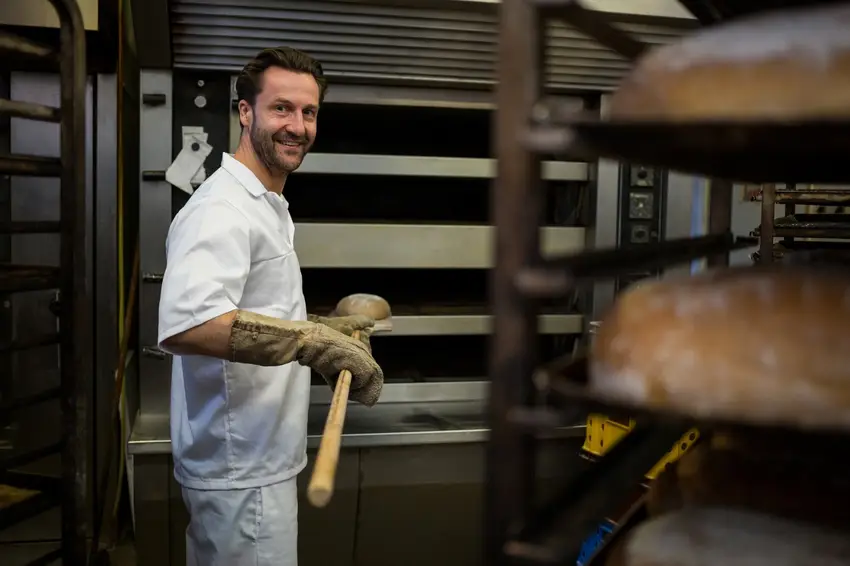
Food Processing Machine Operators work with specialised equipment to roast, bake, and dry various food products and tobacco. They operate complex machinery like industrial ovens, kilns, and vacuum drying systems to transform raw materials into finished products. This role combines technical skills with quality control, using modern computerised systems and sensors to monitor temperature, humidity, and timing. Workers in this field often collaborate with quality assurance teams and can advance to supervisory roles or specialise in specific food processing areas.
Did you know?
In Australia, you can start with a Certificate II or III in Food Processing through TAFE or apprenticeship programs. Many employers provide on-the-job training, and food safety certification is typically required for all workers in this industry.
At a glance
Typical average pay
$58,000 Avg/yr
Growth
Stable
Top skill
Operations Monitoring
Things to consider
Workplace Safety and Environment
This role involves working with hot equipment and machinery, requiring strict adherence to safety protocols. Workers typically wear protective equipment and work in temperature-controlled environments, often in shifts to maintain continuous production.
Career Progression Opportunities
Starting as a machine operator can lead to roles as team leader, quality control supervisor, or production manager. Some workers specialise in specific areas like coffee roasting or tobacco processing, which can offer higher wages and specialised career paths.
Key responsibilities
Weighs, measures, mixes, dissolves and boils ingredients
Adds materials, such as spices and preservatives, to food and beverages
Operates heating and chilling plant
Monitors product quality before packaging, by inspecting, taking samples and adjusting treatment conditions when necessary
Operates machines to process food