Forging Machine Operators
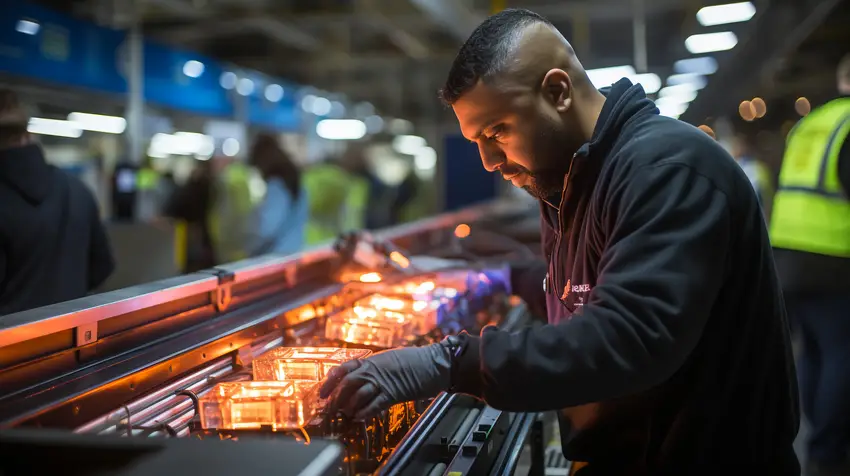
Forging Machine Operators work with specialised machinery to shape and form metal and plastic parts through heating, pressing, and moulding processes. They set up, operate, and maintain forging equipment, ensuring parts meet precise specifications and quality standards. Modern operators use computer-controlled machinery and digital measuring tools to achieve accuracy and efficiency. This hands-on role requires technical skills, attention to detail, and offers pathways into advanced manufacturing careers.
Did you know?
Consider pursuing a Certificate III in Engineering - Mechanical Trade or similar TAFE qualification. Many employers offer apprenticeships that combine on-the-job training with formal education, providing a direct pathway into the industry.
At a glance
Typical average pay
$68,000 Avg/yr
Growth
Stable
Top skill
Operations Monitoring
Things to consider
Essential Skills and Safety Focus
Develop strong mathematical skills, attention to detail, and understanding of workplace safety procedures. Physical fitness and manual dexterity are important, along with the ability to work with precision machinery and follow technical specifications.
Industry Growth and Career Progression
The manufacturing sector offers opportunities for advancement to supervisory roles, quality control positions, or specialised technical roles. Experience can lead to opportunities in maintenance, training, or production management within manufacturing facilities.
Key responsibilities
Selects metal stock for job requirements
Heats metal in forges and furnaces and hammers, punches and cuts metal using hand tools and machine presses
Tempers and hardens finished articles by quenching in oil or water baths or by cooling gradually in air
Prepares electrolytic and silver solutions for electroforming and planting solution to the objects to be coated
Sets and adjusts controls to regulate electric current and depositing of coating on objects