Foundry Workers
Foundry Workers create molds and cores for metal casting by working with sand, chemicals, and heating equipment. They use molding machines, sand preparation systems, digital ovens, and quality control tools to produce accurate molds. Physical strength, understanding of metallurgy basics, attention to safety, and technical skills are important.
Did you know?
Most Foundry Mould and Coremakers start their careers through apprenticeships, which combine on-the-job training with formal education. These programs typically last 3-4 years and provide hands-on experience while earning a wage.
At a glance
Typical average pay
$68,000 Avg/yr
Growth
Stable
Things to consider
Technical Skills Development
This role requires developing precision skills in pattern making, understanding of metallurgy, and familiarity with both traditional hand tools and modern computer-controlled equipment used in foundries.
Industry Growth and Specialisation
The foundry industry serves diverse sectors including automotive, aerospace, and construction. Experienced workers can specialise in specific materials or advance to supervisory roles, quality control, or technical training positions.
Key responsibilities
Selects metal stock for job requirements
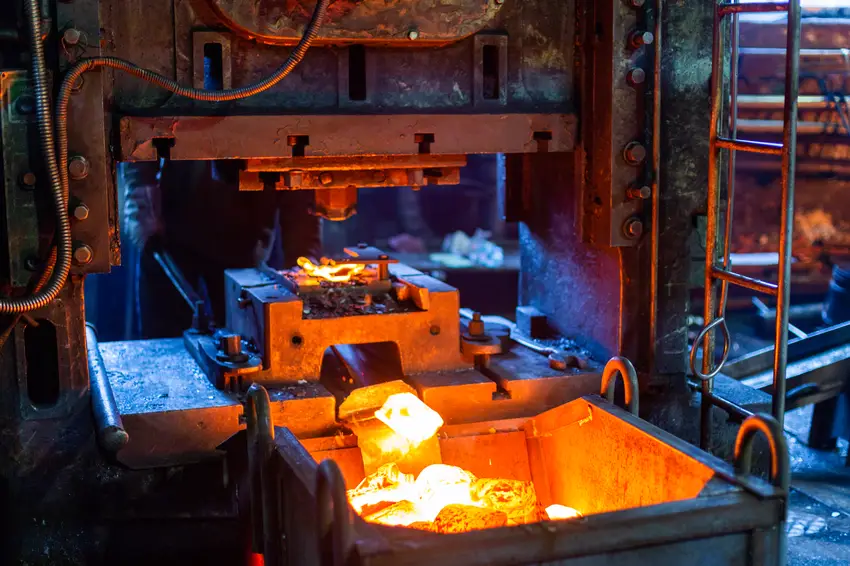
Heats metal in forges and furnaces and hammers, punches and cuts metal using hand tools and machine presses
Tempers and hardens finished articles by quenching in oil or water baths or by cooling gradually in air
Cuts, trims, shapes and smoothes stock to form mould patterns
Fills boxes with sand and sets patterns in place and pours molten metal into moulds, applying refractory paint and positioning cores in moulds