Furniture Finishers
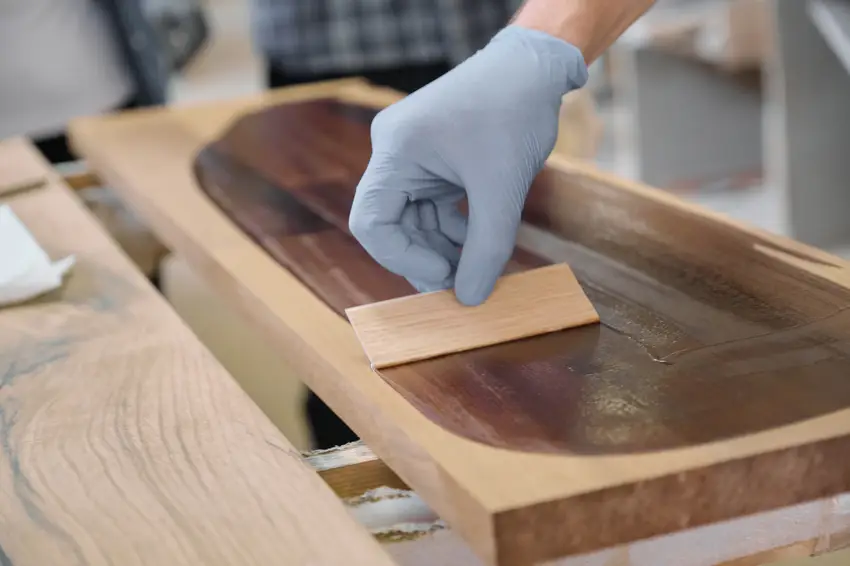
Furniture Finishers are skilled craftspeople who restore, refinish, and enhance furniture pieces to bring them back to life or create beautiful new finishes. They work with various tools including sanders, spray guns, brushes, and modern finishing equipment to apply stains, paints, and protective coatings. This hands-on career combines artistic creativity with technical skills, and many finishers work in workshops, restoration businesses, or as independent contractors. The field offers opportunities for those who enjoy working with their hands and seeing tangible results from their craftsmanship.
Did you know?
Consider pursuing a Certificate III in Furniture Finishing through TAFE or completing an apprenticeship with established furniture restoration businesses. Many employers value hands-on experience and practical skills over formal qualifications.
At a glance
Typical average pay
$74,100 Avg/yr
Growth
Stable
Top skill
Monitoring
Things to consider
Essential Skills and Safety Knowledge
Develop fine motor skills, attention to detail, and colour matching abilities. Understanding workplace safety is crucial when working with chemicals, dust, and finishing equipment in workshop environments.
Career Pathways and Specialisation
Start as an apprentice or junior finisher and progress to specialised areas like antique restoration, custom furniture finishing, or even starting your own restoration business. The field offers both employment and entrepreneurial opportunities.
Key responsibilities
Studies drawings, work orders and sample parts to determine specifications
Determines tool and machine requirements and sequence of operations
Sets up woodworking machines and wood stock for correct cutting, planning, turning, shaping and sanding
Operates machines to cut, plane, turn, shape and sand work pieces
Removes old finishes by stripping with steel wool and glasspaper, and by applying solvents and paint strippers, and removing softened finishes by scraping