Genetic Counsellors
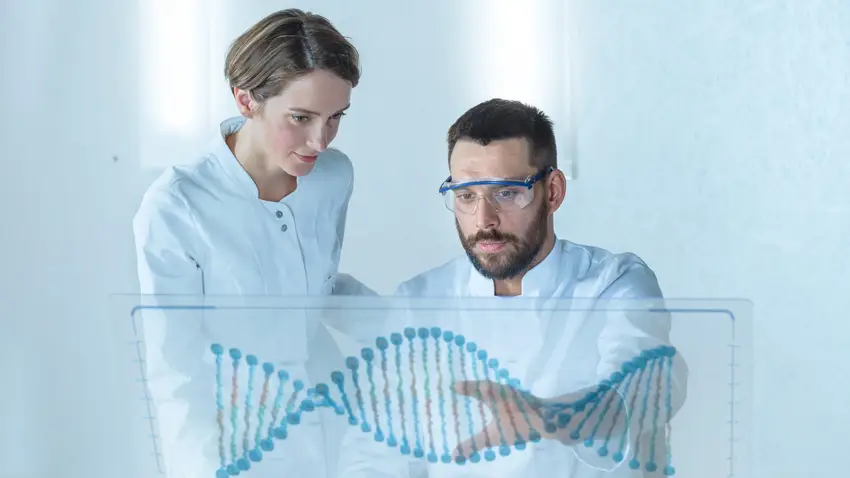
Genetic Counsellors help individuals and families understand their risk of inherited genetic conditions and birth defects. They assess family medical histories, explain complex genetic information in understandable terms, and support families in making informed healthcare decisions. Using advanced genetic testing technologies and counselling techniques, they work closely with healthcare teams to provide personalised guidance. This field combines scientific knowledge with strong interpersonal skills and offers opportunities to make a meaningful impact on people's lives.
Did you know?
To become a Genetic Counsellor in Australia, you'll need to complete a Master's degree in Genetic Counselling after obtaining a relevant undergraduate degree in science or health. Only a few universities offer this specialised program, so strong academic performance is essential.
At a glance
Typical average pay
$92,000 Avg/yr
Growth
Fast growing
Top skill
Reading Comprehension
Things to consider
Essential Skills and Personal Qualities
This career requires excellent communication skills to explain complex genetic concepts to families, strong emotional intelligence to support people through difficult decisions, and attention to detail when analysing genetic information and family histories.
Career Opportunities and Work Environment
Genetic Counsellors work in hospitals, fertility clinics, research institutions, and private practice. The field is growing rapidly due to advances in genetic testing, offering good job prospects and the opportunity to specialise in areas like cancer genetics or prenatal counselling.
Key responsibilities
Works with patients on areas of concern in regards to genetics
Provides information and resources to assist patients
Assesses client needs in relation to treatment
Conducts counselling interviews with individuals, couples and family groups
Arranges the admission of patients to hospitals