Geoscientists
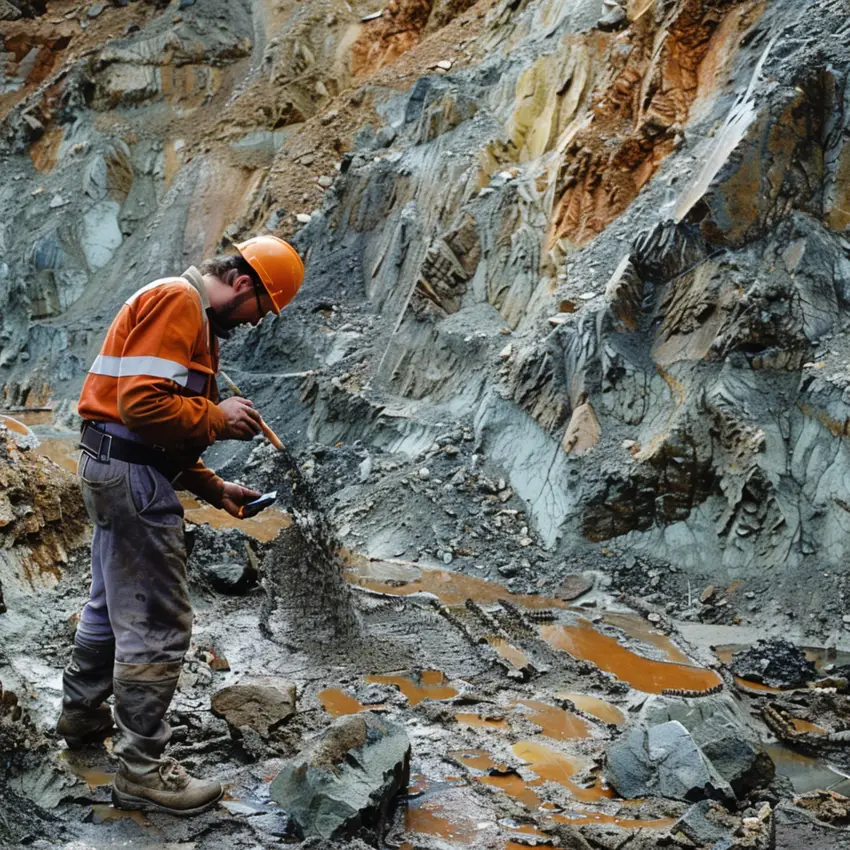
You study Earth's rocks, minerals, and geological processes to understand natural resources, hazards, and environmental changes. You'll use laboratory equipment, computer modeling software, and fieldwork to analyze samples and data. A geology or earth science degree is needed; many pursue bachelor's degrees and sometimes graduate studies. This career fits curious minds interested in physics, chemistry, and understanding our planet.
Did you know?
A Bachelor's degree in Earth Sciences, Geology, or related field is essential, with many positions requiring postgraduate qualifications. Australian universities offer excellent geoscience programs with strong industry connections and field experience opportunities.
At a glance
Typical average pay
$100,000 Avg/yr
Growth
Stable
Top skill
Reading Comprehension
Things to consider
Industry Opportunities in Australia
Australia's mining and resources sector provides excellent career prospects for geoscientists, with opportunities in major companies like BHP, Rio Tinto, and various environmental consulting firms across the country.
Field Work and Travel Opportunities
Geoscientists often travel to remote locations for fieldwork, which can be exciting but requires physical fitness and adaptability. This career offers the chance to work in diverse Australian landscapes from the Outback to coastal regions.
Key responsibilities
Determines the resources present by sampling, examining and analysing geological specimens, rock cores, cuttings and samples using optical, chemical, electronic and mechanical techniques
Surveys variations in the earth's gravitational and magnetic fields to determine its physical features
Investigates the propagation of seismic waves to determine the structure and stability of the earth's mantle and crust
Studies the causes of earthquakes and other stress states of the earth's crust
Performs laboratory and field studies, as well as aerial, ground and drill hole surveys