Glass Workers
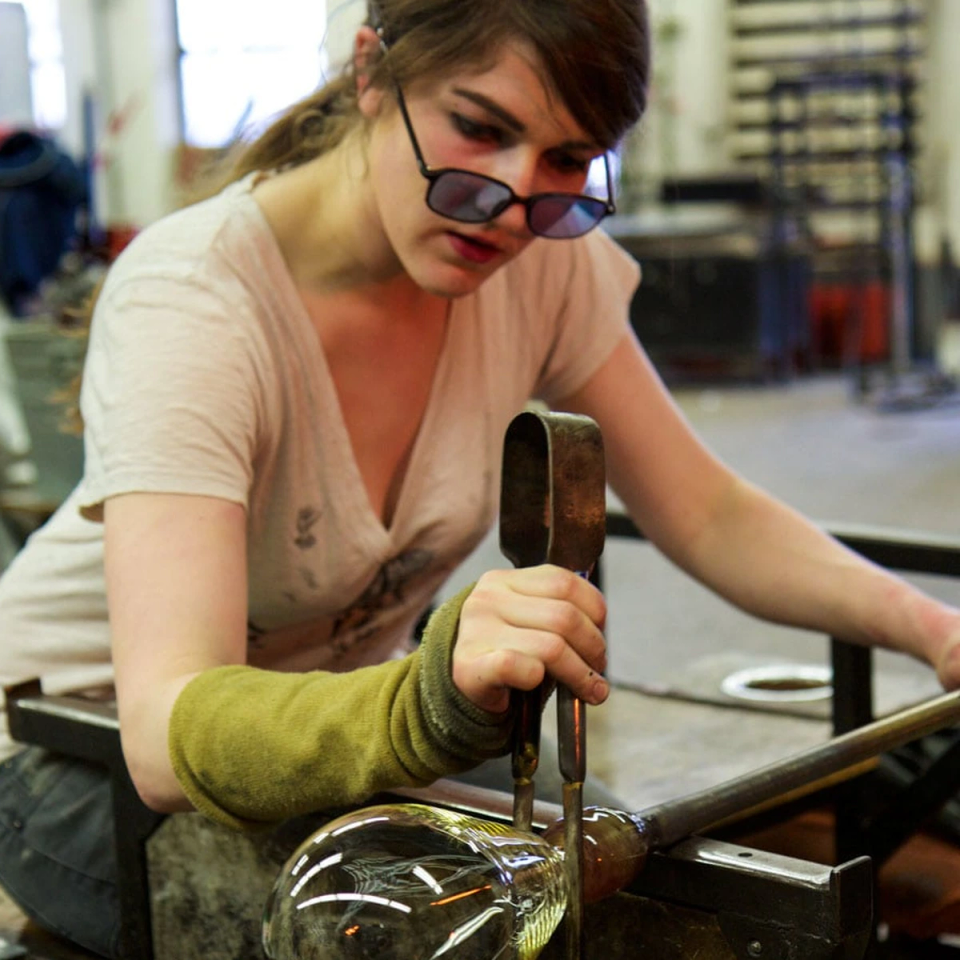
Glass workers shape, mold, and finish glass products like windows, bottles, decorative items, and laboratory equipment using specialized equipment and techniques. They use digital ovens, CNC cutting machines, and advanced molding technology while understanding glass chemistry and properties. You typically need high school graduation and apprenticeship training in glassblowing or glass manufacturing. If you're interested in precision work and creating beautiful or functional glass products, this specialized trade offers unique opportunities.
Did you know?
In Australia, you can start as an apprentice glassworker or complete a Certificate III in Glass and Glazing at TAFE. These hands-on programs teach essential techniques while you earn and gain real workplace experience.
At a glance
Typical average pay
$62,000 Avg/yr
Growth
Stable
Top skill
Quality Control Analysis
Things to consider
Creative and Technical Skills Development
This career combines artistic creativity with technical precision. You'll need steady hands, attention to detail, and the ability to work safely with high temperatures and specialised equipment.
Diverse Work Environments
Glass workers can find employment in art studios, manufacturing facilities, restoration workshops, or start their own creative businesses. The field offers opportunities in both artistic and industrial applications.
Key responsibilities
Sets up and operates glass-making machines to produce molten glass, and regulate temperature of molten glass
Presses and blows glass into moulds to form glassware products
Collects and examines samples for conformity to specifications and adjusts machine settings accordingly