Agricultural Graders and Sorters
Agricultural Graders and Sorters inspect and classify fresh produce and agricultural products based on quality, size, weight, and appearance standards. They work in processing facilities, farms, and distribution centres using both manual inspection techniques and modern sorting technology like optical scanners and automated grading machines. This role requires attention to detail, physical stamina, and knowledge of quality standards. Many workers start with on-the-job training and can advance to supervisory roles or specialise in specific product types.
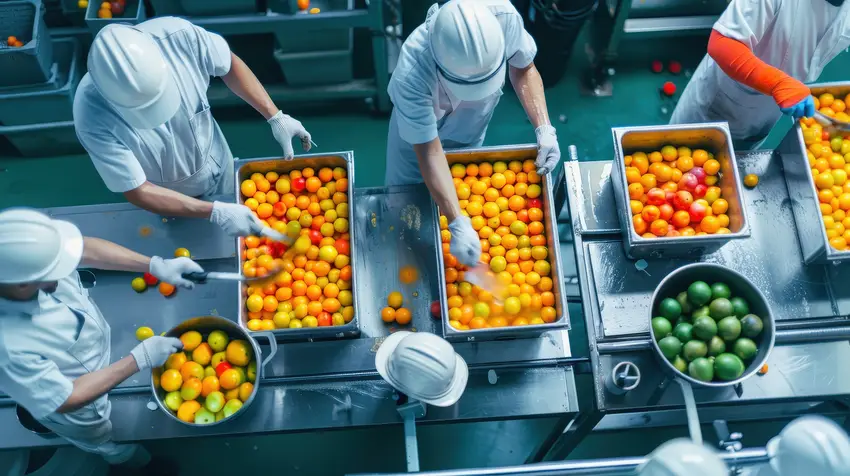
Did you know?
Many positions offer on-the-job training with no formal qualifications required, making it accessible for school leavers. Certificate II or III in Agriculture or Food Processing can provide additional skills and career advancement opportunities.
At a glance
Typical average pay
$52,000 Avg/yr
Growth
Stable
Things to consider
Physical and Technical Skills Development
The role requires good hand-eye coordination, attention to detail, and the ability to work in various weather conditions. Familiarity with technology and quality control processes is increasingly valuable as the industry modernises.
Industry Growth and Seasonal Work
Australia's strong agricultural export industry provides steady employment opportunities. Many positions are seasonal, offering flexibility for students or those seeking part-time work, with potential for full-time roles in larger operations.
Key responsibilities
Studies product specifications and takes measurement to determine conformity to specifications
Examines products for defects and grades produce
Designates grading of produce and records details of assessment according to classification system