Historians
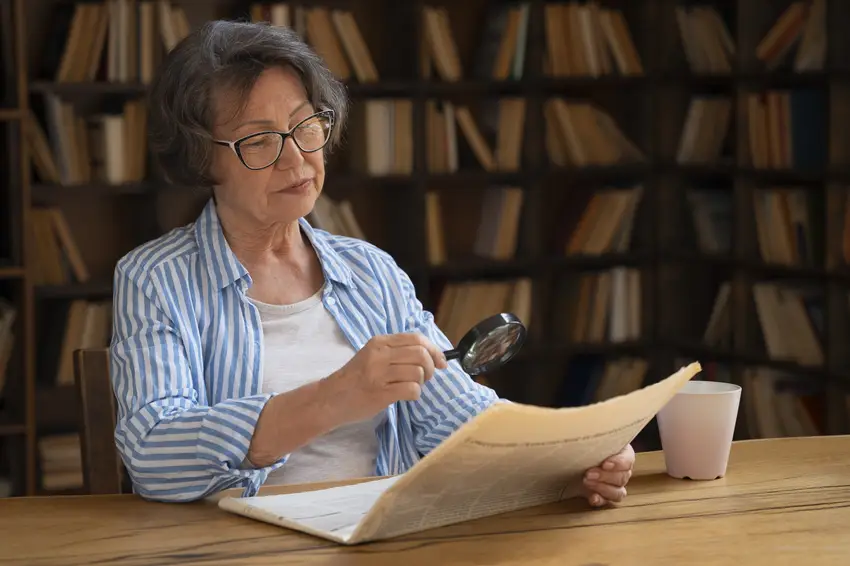
Historians research and analyse the past by examining various sources like documents, photographs, interviews, and digital archives. They interpret historical events and trends, often using modern research tools and databases to uncover new insights about human civilisation. This work requires strong analytical and writing skills, with opportunities in universities, museums, government agencies, and media organisations. Historians collaborate with other researchers and often present their findings through publications, exhibitions, and digital platforms.
Did you know?
In Australia, becoming a historian typically requires a Bachelor's degree in History or a related field, followed by Honours and often a Master's or PhD for research positions. Many universities offer specialised programs in Australian history, ancient history, or specific historical periods.
At a glance
Typical average pay
$90,000 Avg/yr
Growth
Stable
Top skill
Reading Comprehension
Things to consider
Research and Writing Skills Development
Historians need excellent research, analytical, and writing skills. During high school, focus on developing critical thinking abilities, learning to evaluate sources, and practising academic writing. These skills are essential for interpreting historical evidence and communicating findings effectively.
Career Opportunities in Australia
Career paths include working in universities as lecturers or researchers, museums as curators, government departments as policy advisors, or as freelance consultants for media and heritage projects. The digital age has also created new opportunities in online education and digital humanities projects.
Key responsibilities
Assembles historical data by consulting sources of information such as historical indexes and catalogues, archives, court records, diaries, newspaper files and other materials
Organises, authenticates, evaluates and interprets historical, political, sociological, anthropological and linguistic data
Undertakes historical and cultural research into human activity, and prepares and presents research findings