Ergonomics Engineers
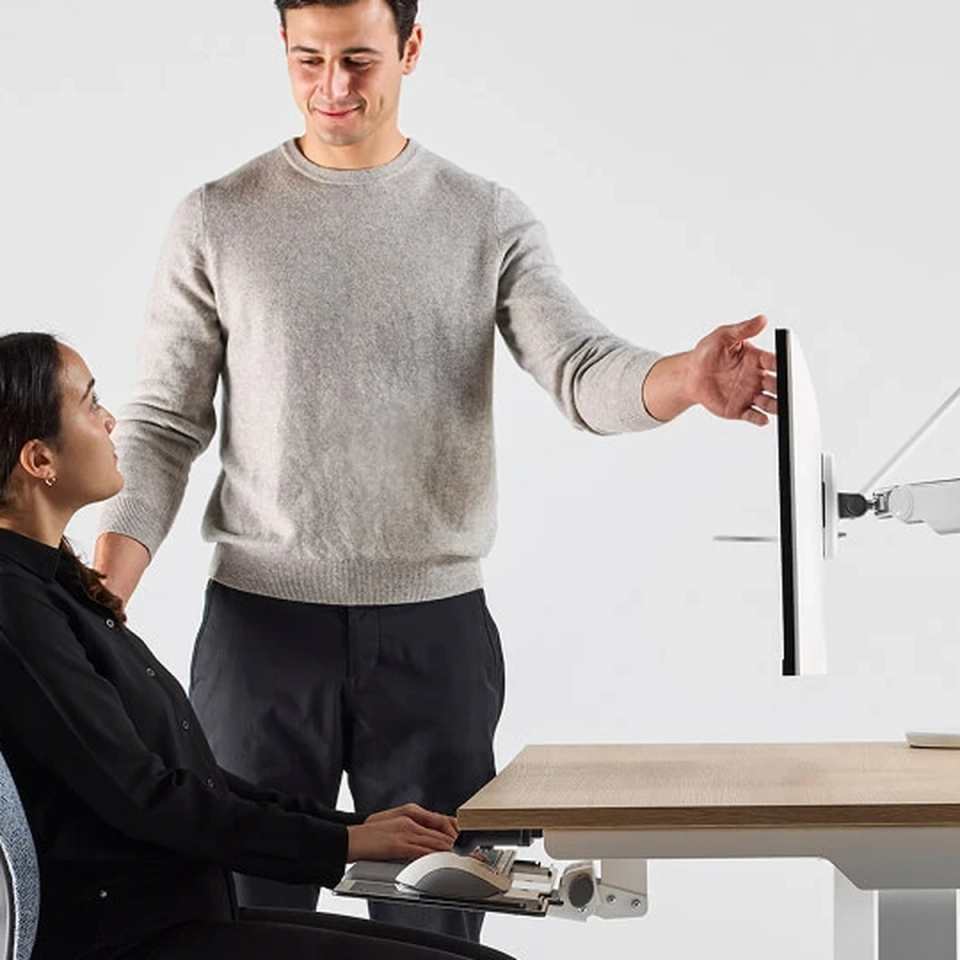
You design workspaces, equipment, and products to be comfortable, safe, and efficient for users, reducing injuries and improving productivity. Ergonomics engineers use biomechanical analysis, computer modeling, user research, and workplace assessment tools. You need understanding of human anatomy, design thinking, data analysis skills, and commitment to worker safety. This growing field improves working conditions and prevents injuries across industries.
Did you know?
Consider pursuing a Bachelor's degree in Engineering (Industrial, Mechanical, or Systems) combined with psychology studies, or a specialised Human Factors Engineering program. Some universities offer postgraduate courses in ergonomics and human factors.
At a glance
Typical average pay
$100,000 Avg/yr
Growth
Fast growing
Top skill
Writing
Things to consider
Diverse Industry Applications
This field offers opportunities across various industries including healthcare technology, automotive design, workplace safety, consumer products, and digital interface design, providing diverse career paths and specialisation options.
Essential Skills Development
Develop strong analytical and problem-solving skills, understanding of human psychology and behaviour, proficiency in design software and data analysis tools, and the ability to work collaboratively with multidisciplinary teams.