Forklift Operators
Forklift Operators drive industrial forklifts to move, stack, and organize heavy materials in warehouses and factories. They use computerized forklifts with sensors, navigation systems, and safety technology. This role requires precision driving skills, awareness of surroundings, mechanical understanding, and commitment to workplace safety.
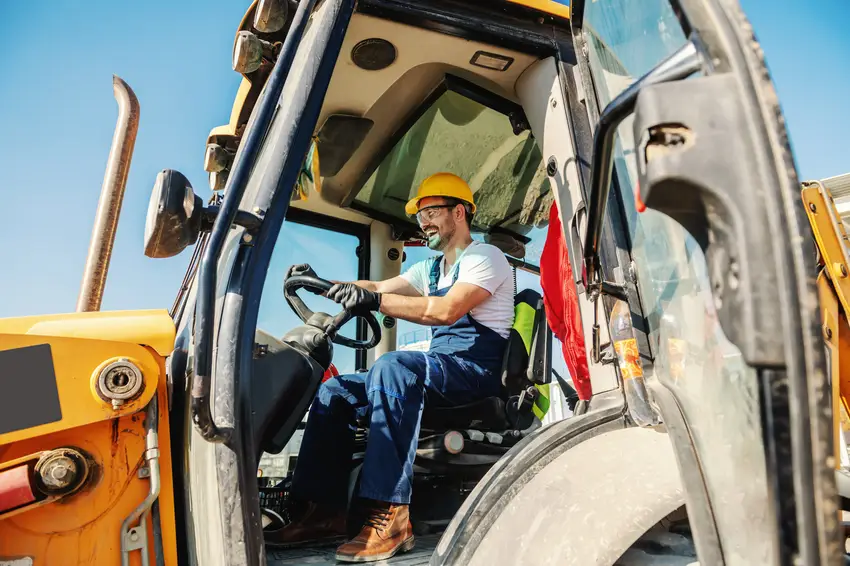
Did you know?
In Australia, you'll need to obtain a forklift licence and complete workplace health and safety training. Many employers provide on-the-job training, making this an accessible career path for those who enjoy hands-on work.
At a glance
Typical average pay
$65,000 Avg/yr
Growth
Stable
Top skill
Operation and Control
Things to consider
Physical Demands and Safety Focus
This role involves physical activity and requires strict adherence to safety protocols. You'll work in various environments including warehouses, construction sites, and manufacturing facilities, making safety awareness essential.
Career Progression Opportunities
Starting as an operator can lead to supervisory roles, warehouse management positions, or specialisation in operating different types of industrial equipment. Additional certifications can open doors to higher-paying positions.
Key responsibilities
Operating controls to align forklifts and raise and lower forks to stack and unstack items in warehouses, factories, timber yards and shipping terminals
Operating forklifts which run on rails or use electronic guidance systems to control movements in narrow aisles
Transporting goods to designated areas in warehouses, factories, timber yards and shipping terminals
Ensuring goods are stored in correct areas so that they can be easily located when orders are made up
Monitoring equipment operation visually through gauges and instruments and through computerised monitoring equipment