Layout Workers
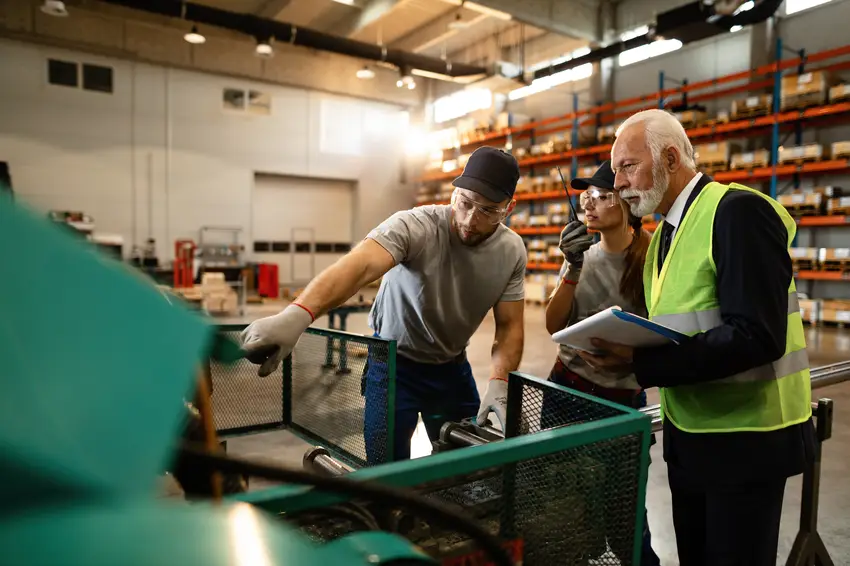
Layout Workers mark metal and plastic materials to show where cuts, holes, and bends need to happen before production. They use marking tools, measuring devices, CAD printouts, and reference guides to ensure accuracy. This job requires attention to detail, precise measurement skills, understanding of manufacturing processes, and careful work habits.
Did you know?
Consider pursuing a Certificate III in Engineering - Mechanical Trade or similar qualification through an apprenticeship program. This provides hands-on experience while earning and learning from experienced tradespeople in the field.
At a glance
Typical average pay
$68,000 Avg/yr
Growth
Stable
Top skill
Mathematics
Things to consider
Technical Skills Development
Focus on developing strong mathematical skills, spatial awareness, and familiarity with measuring instruments and CAD software. These technical competencies are essential for accuracy in layout work.
Industry Opportunities and Growth
Layout workers are needed across various industries including shipbuilding, aerospace, automotive, and construction. With experience, you can advance to supervisory roles or specialise in complex projects requiring advanced layout skills.