Life Scientists
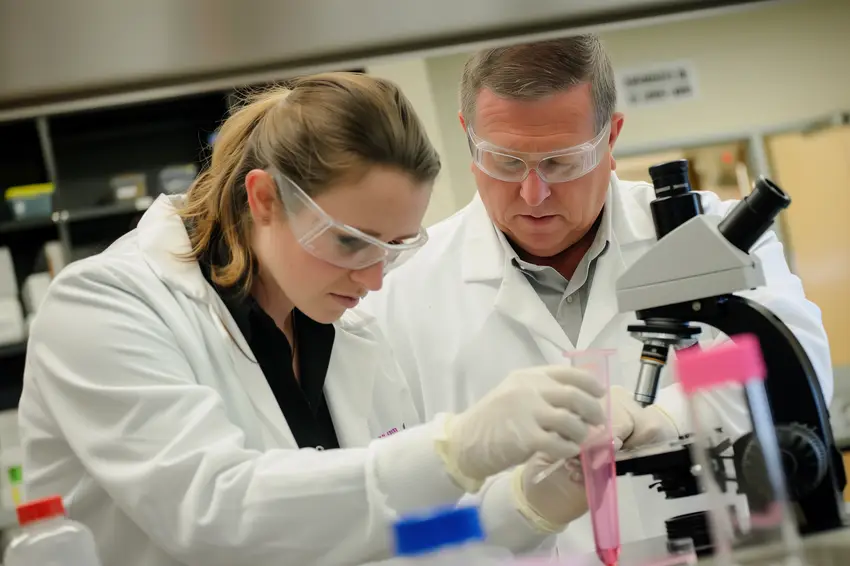
Life scientists study living organisms and biological systems to advance our understanding of health, the environment, and the natural world. They conduct experiments, analyse data, and publish research using lab equipment and advanced software. The field spans areas like genetics, ecology, microbiology, and biotechnology. It's a research-driven career for curious minds who want to explore the science of life.
Did you know?
A Bachelor's degree in a life science field such as Biology, Biochemistry, or Environmental Science is typically required. Many positions also require postgraduate qualifications like Honours or a Master's degree for advanced research roles.
At a glance
Typical average pay
$90,000 Avg/yr
Growth
Stable
Things to consider
Research and Laboratory Skills
Develop strong analytical and critical thinking skills, along with hands-on laboratory experience. Familiarity with scientific equipment, data analysis software, and research methodologies is essential for success in this field.
Career Opportunities and Specialisations
Life Sciences Specialists can work in various sectors including medical research, environmental consulting, biotechnology companies, and government agencies. Specialisation areas include marine biology, genetics, ecology, and pharmaceutical research.