Locomotive Engineers
Locomotive Engineers drive electric, diesel-electric, steam, or gas-turbine-electric trains to transport passengers or freight. They interpret train orders, signals, and follow railway rules and regulations to ensure safe and efficient journeys.
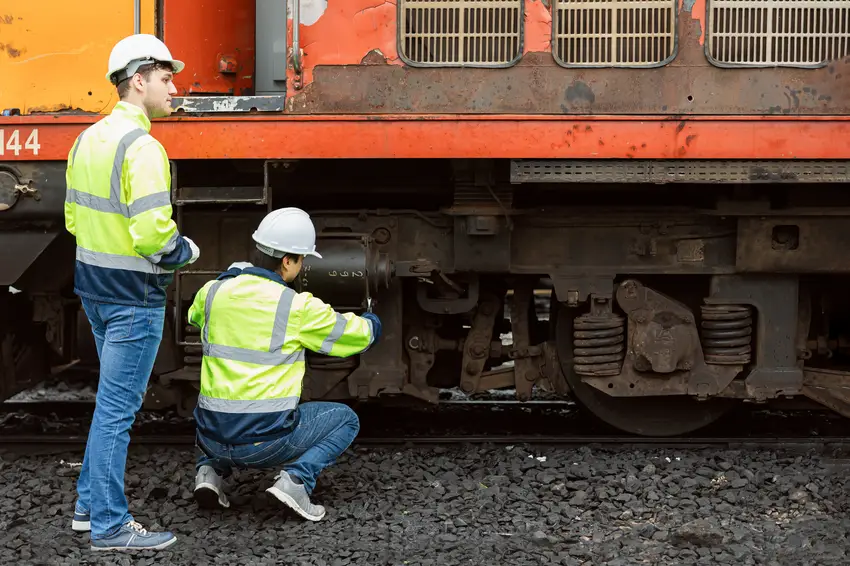
Did you know?
In Australia, locomotive engineers must complete specialised training programs through rail operators and obtain certification from the Office of the National Rail Safety Regulator. Most training is provided on-the-job by employers like Australian Rail Track Corporation or state rail operators.
At a glance
Typical average pay
$95,000 Avg/yr
Growth
Stable
Top skill
Operation and Control
Things to consider
Physical and Mental Requirements
This role requires excellent vision, hearing, and physical fitness as engineers must pass regular medical examinations. Strong concentration and decision-making skills are essential for safely operating heavy machinery and responding to unexpected situations.
Career Stability and Growth
The rail industry offers stable employment with opportunities for advancement to senior engineer roles, train controllers, or management positions. With Australia's growing freight and passenger rail networks, demand for qualified locomotive engineers continues to increase.
Key responsibilities
Stops at stations and set locations to pick up and set down passengers and freight
Opens and closes doors before and after passengers board or disembark
Observes signals, track conditions, nearby traffic and prescribed speeds to ensure safety
Monitors indicator gauges, changes controls and power supply poles and reports operating irregularities
Checks time and adherence to timetables