Materials Scientists
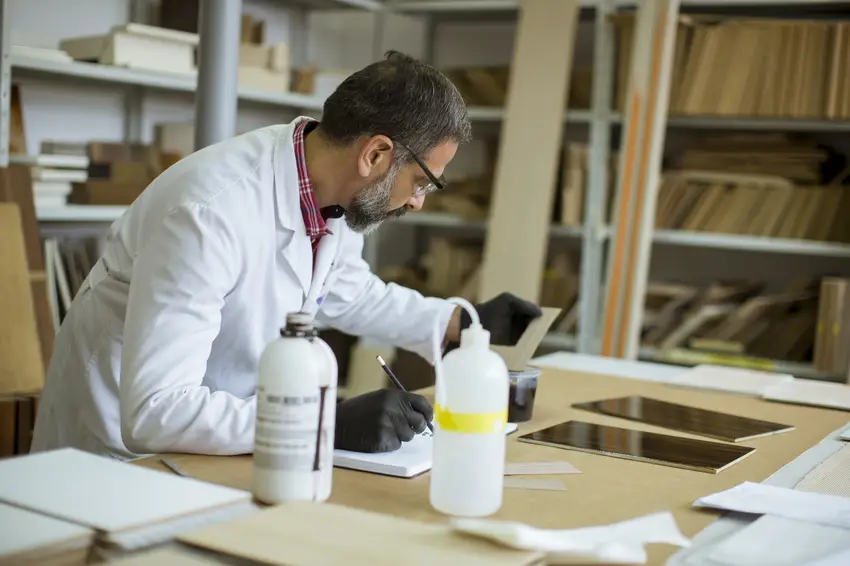
Materials Scientists research and study the properties of different materials like metals, ceramics, polymers, and semiconductors to create stronger or entirely new materials. They use advanced laboratory equipment and computer modelling software to test and analyse how materials behave under different conditions. This field requires strong scientific knowledge and problem-solving skills, with opportunities in industries ranging from aerospace to electronics. Materials Scientists often work in collaborative teams with engineers and other researchers to develop innovative solutions for real-world challenges.
Did you know?
A Bachelor's degree in Materials Science, Chemistry, Physics, or Chemical Engineering is typically required. Many positions prefer a Master's or PhD, especially for research roles. Australian universities like UNSW, Melbourne, and Monash offer excellent materials science programs.
At a glance
Typical average pay
$100,000 Avg/yr
Growth
Stable
Top skill
Reading Comprehension
Things to consider
Essential STEM Skills Development
Strong foundation in chemistry, physics, and mathematics is crucial. Develop laboratory skills, analytical thinking, and familiarity with computer modelling software during high school and university studies.
Industry Opportunities in Australia
Career opportunities exist in mining companies, manufacturing, aerospace, electronics, and research institutions like CSIRO. The growing renewable energy sector also offers exciting prospects for materials scientists.
Key responsibilities
Conducts experiments to test pre-existing theories and come up with new theories
Designs and tests experiment equipment
Tests and processes minerals for their elements
Writes up reports on experiments undertaken
May supervise staff