Medical Lab Technicians
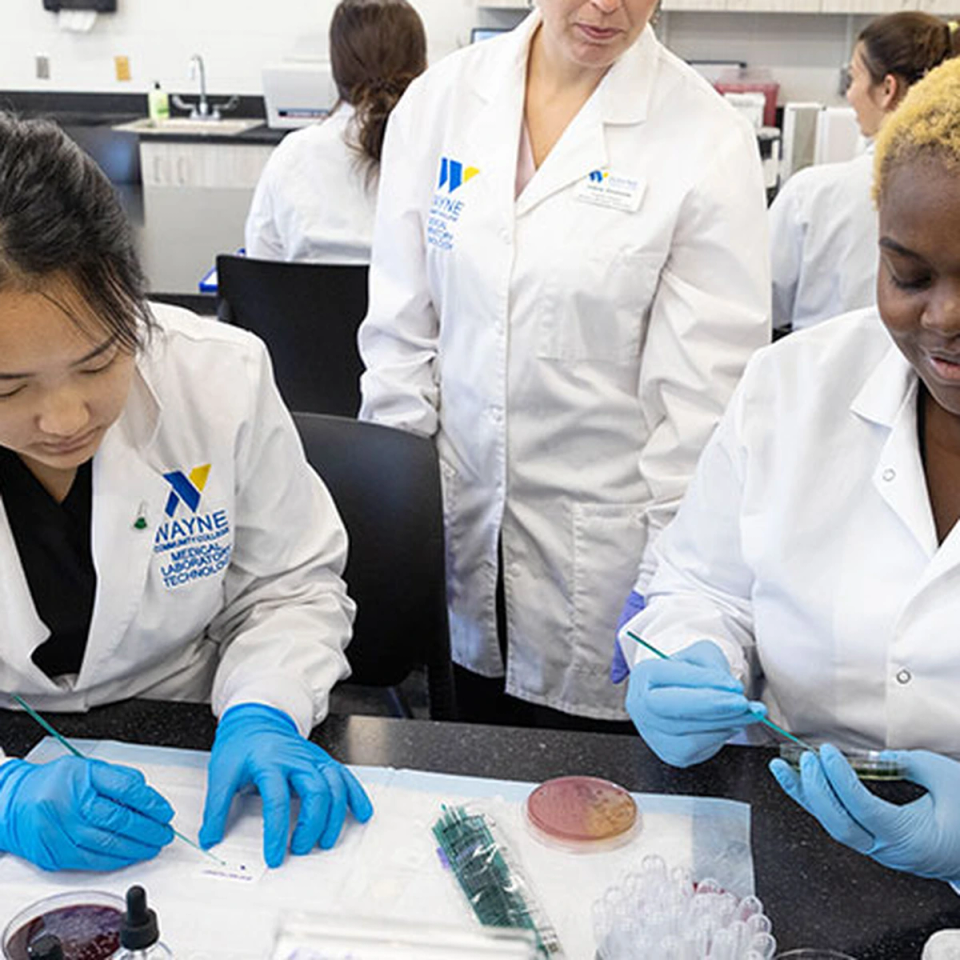
You'd perform routine medical tests on patient samples like blood and urine, preparing slides and using lab equipment under supervision. You'd follow procedures, organize specimens, use computer systems, and help medical professionals diagnose conditions.
Did you know?
To become a Medical Laboratory Technician, you'll need to complete a Certificate III or IV in Laboratory Techniques, or a Diploma in Laboratory Technology. Many employers prefer candidates with additional qualifications in medical laboratory science from TAFE or university.
At a glance
Typical average pay
$68,000 Avg/yr
Growth
Stable
Top skill
Active Listening
Things to consider
Essential Skills and Qualities
Strong attention to detail, good hand-eye coordination, and the ability to follow precise procedures are crucial. You'll also need good communication skills to work effectively with medical teams and handle sensitive patient information.
Career Opportunities and Specialisation
Laboratory technicians can work in hospitals, pathology labs, research facilities, or public health laboratories. With experience, you can specialise in areas like haematology, microbiology, or advance to supervisory roles or further study to become a medical technologist.
Key responsibilities
Operates equipment used in diagnosing and monitoring disorders of hearing, the heart, kidneys and nervous system, and during anaesthesia
Undertakes and assists with medical analytical procedures and assists anaesthetists and surgical teams
Records the electrical activity of the heart, from which the heart rate is measured and pattern and rhythm is interpreted
Prepares and stains slides and tissue sections to study the cells of blood for histological examination
Performs diagnostic tests on tissues and fluids and analyses the chemical constituents of blood, urine, faeces and tissues