Metal Furnace Operators
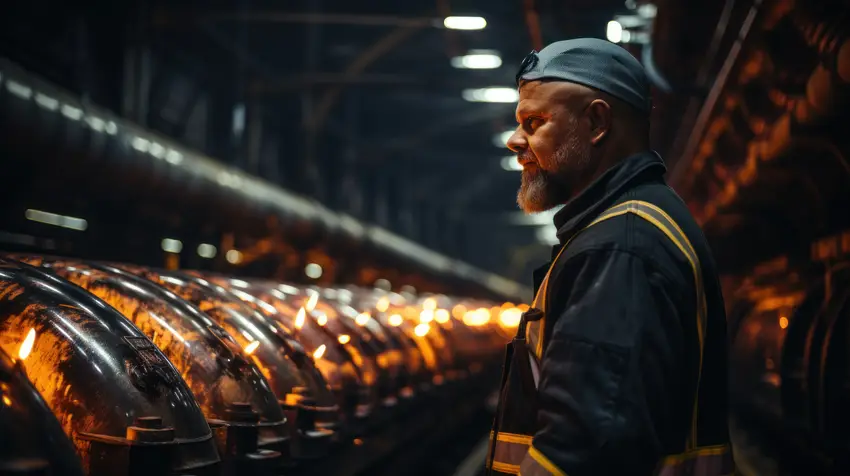
Metal furnace operators manage high-temperature furnaces that melt and refine metals like steel, aluminum, and copper for manufacturing and recycling industries. They use digital temperature controls, metallurgical monitoring equipment, and specialized safety gear while reading gauges and making adjustments. You need high school graduation and apprenticeship training in metallurgy or furnace operation. This role suits people comfortable with hot environments, heavy machinery, and the critical work of metal processing.
Did you know?
In Australia, this career typically requires completing a Certificate III in Process Manufacturing or Metal Fabrication through an apprenticeship program. Many employers offer traineeships that combine on-the-job training with formal qualifications.
At a glance
Typical average pay
$72,000 Avg/yr
Growth
Stable
Top skill
Operations Monitoring
Things to consider
Safety and Working Conditions
This role involves working with extremely high temperatures and hazardous materials, requiring strict adherence to safety protocols. Workers must complete safety training and wear protective equipment in industrial environments.
Career Advancement Opportunities
With experience and additional training, operators can advance to supervisory roles, become metallurgical technicians, or specialise in quality control. Some pursue further education to become process engineers or plant managers.
Key responsibilities
Interpreting engineering production drawings
Setting up, operating and adjusting production plant to shape metal stock and castings and cut sheet metal
Operating welding and electroplating plant
Operating furnaces and quenching plant to smelt and change the structure of metals
Using kilns and ovens to fire ceramics