Microbiologists
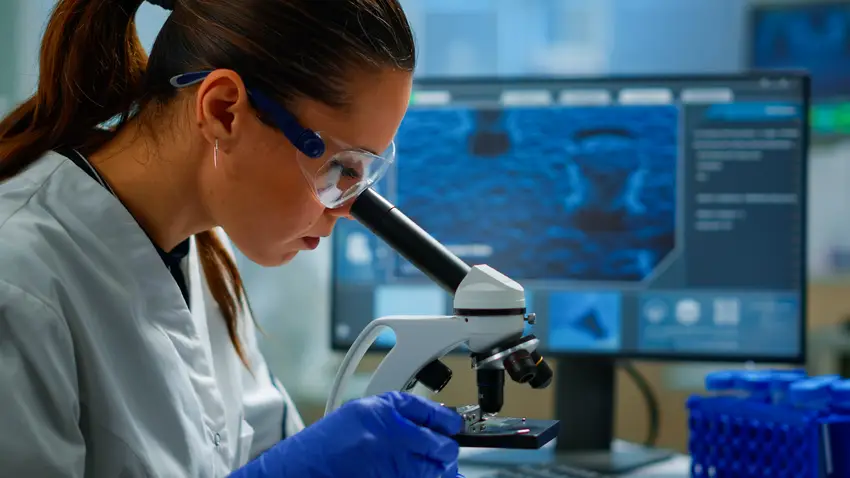
Microbiologists study tiny living organisms like bacteria, viruses, fungi, and algae that can only be seen through powerful microscopes. They investigate how these microorganisms grow, develop, and interact with their environment, including their role in diseases and potential medical treatments. Using advanced laboratory equipment and genetic sequencing technologies, microbiologists work in research labs, hospitals, and environmental agencies. This field offers exciting opportunities to contribute to medical breakthroughs, environmental protection, and biotechnology innovations.
Did you know?
To become a microbiologist in Australia, you'll need to complete a Bachelor's degree in Microbiology, Biology, or Biomedical Science, followed by potential postgraduate studies. Many universities offer specialised microbiology programs with hands-on laboratory experience.
At a glance
Typical average pay
$90,000 Avg/yr
Growth
Stable
Top skill
Science
Things to consider
Laboratory Skills Development
Developing strong laboratory techniques, attention to detail, and safety protocols is essential. Consider participating in science competitions, laboratory work experience, or volunteer opportunities at research institutions during high school.
Diverse Career Pathways
Microbiologists can work in medical research, pharmaceutical companies, environmental monitoring, food safety, or biotechnology firms. The field offers opportunities in both research and applied science across various industries.
Key responsibilities
Investigates the chemical structure and function of living cells and their isolated components, organs and tissues in humans, animals, plants, and micro-organisms
Examines micro-organisms, such as bacteria, fungi, yeast and their enzymes, and uses the knowledge gained to create and develop new, and improve existing, products, materials and processes