NDT Specialists
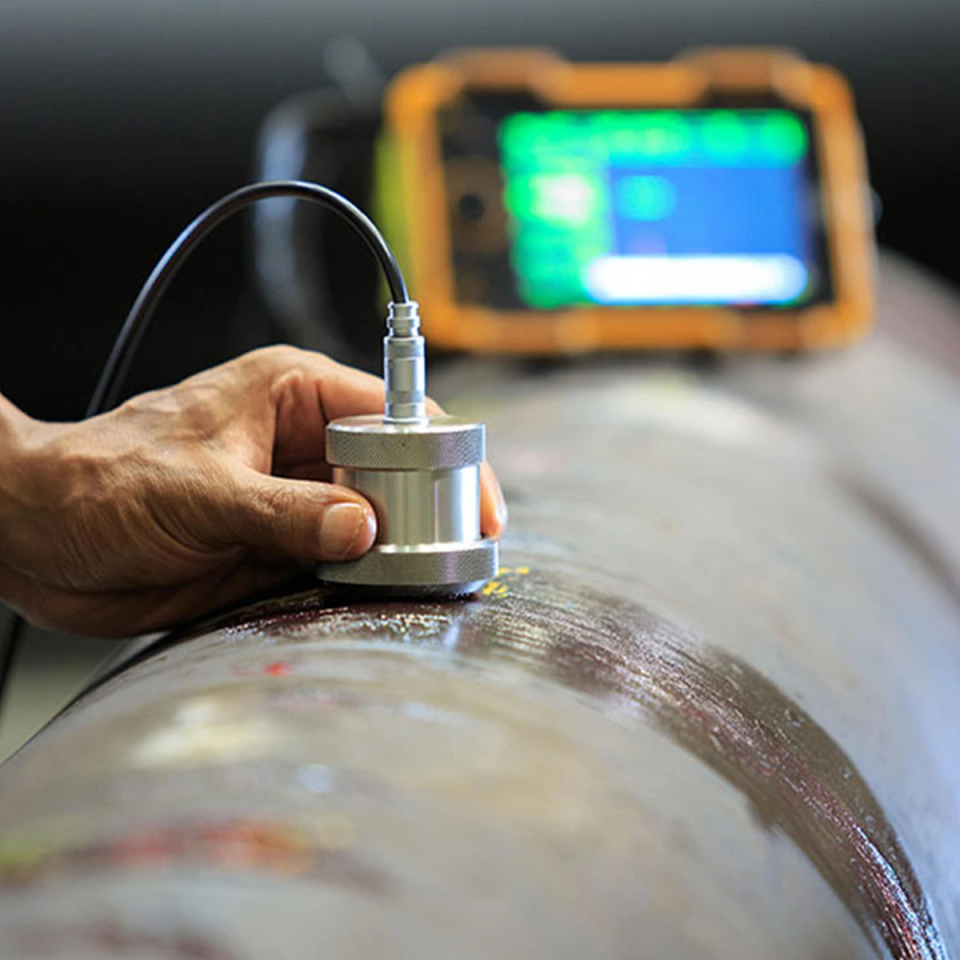
You use non-destructive testing techniques to inspect materials, components, and structures for defects without damaging them, ensuring quality and safety. NDT specialists use ultrasonic testing, magnetic resonance, radiography, eddy current testing, and thermal imaging technology. You need strong technical knowledge, understanding of materials science, attention to detail, and ability to interpret complex data. This specialized technical job is critical to quality control in manufacturing and construction.
Did you know?
Consider pursuing a Certificate III or IV in Engineering Technical Support, or a Diploma in Engineering Technology. Many employers also value TAFE qualifications in mechanical or civil engineering, which provide practical skills for this specialised field.
At a glance
Typical average pay
$88,000 Avg/yr
Growth
Fast growing
Top skill
Quality Control Analysis
Things to consider
Industry Certification Requirements
Non-Destructive Testing requires specific certifications for different testing methods. You'll need to complete training courses and gain certification from organisations like the Australian Institute for Non-Destructive Testing to work professionally in this field.
Career Growth and Specialisation
Start as a trainee or assistant and progress to senior technician roles. With experience, you can specialise in specific testing methods or move into supervisory positions, with opportunities in aerospace, mining, construction, and manufacturing industries.