Ophthalmologists
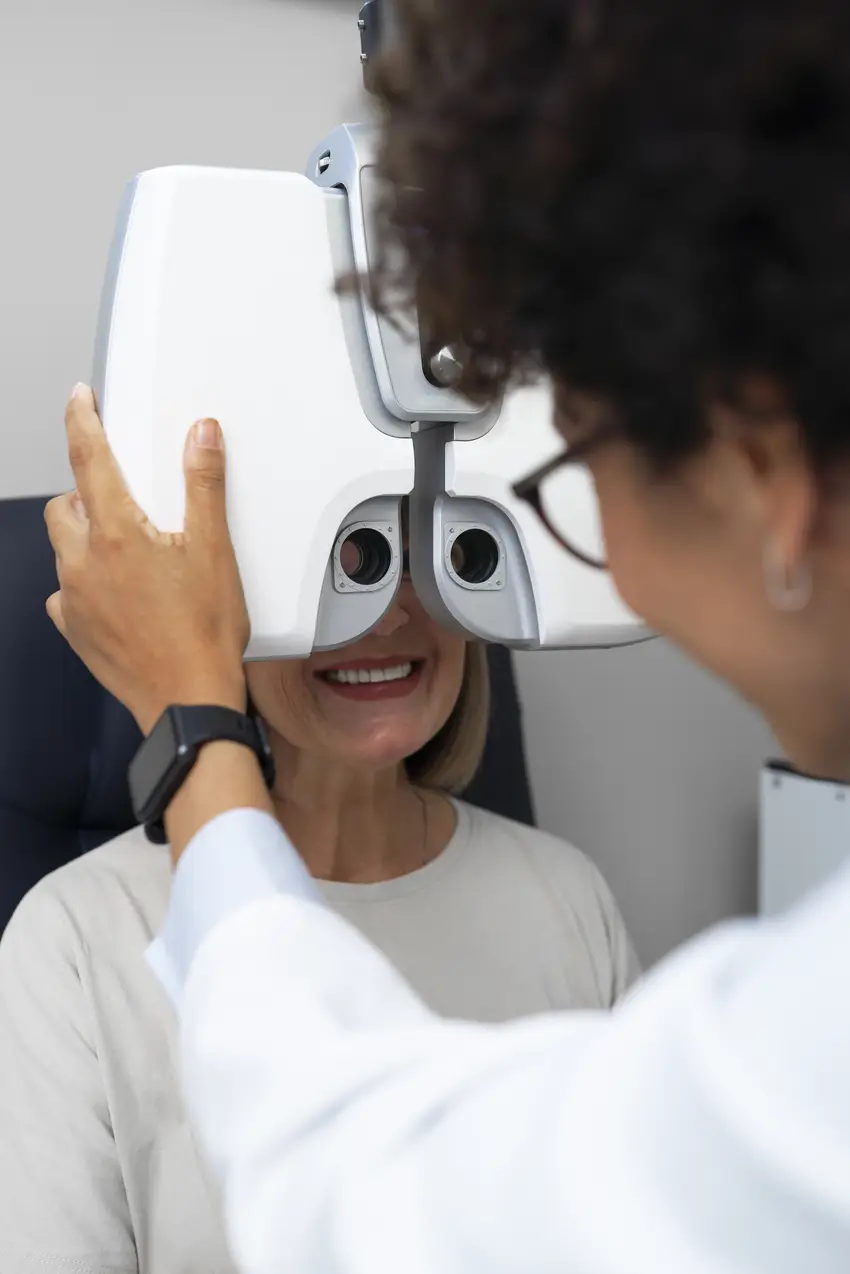
You'd examine patients' eyes and diagnose and treat eye diseases and vision problems through exams, medications, or surgery. You'd use specialized eye equipment, perform testing, prescribe glasses or contacts, and perform eye surgeries.
Did you know?
Becoming an ophthalmologist requires completing a medical degree (6 years), followed by a general medical internship (1 year), and then specialised ophthalmology training (4-5 years). This represents a significant time commitment and academic challenge.
At a glance
Typical average pay
$320,000 Avg/yr
Growth
Stable
Top skill
Critical Thinking
Things to consider
Competitive Specialisation Entry
Ophthalmology is one of the most competitive medical specialties in Australia. Students need excellent academic results, research experience, and strong clinical skills to secure a training position.
Continuous Learning and Technology Adaptation
The field constantly evolves with new surgical techniques and technologies. Ophthalmologists must commit to lifelong learning and staying current with medical advances throughout their careers.
Key responsibilities
Read patient's history
Examine patients and determine whether surgery is necessary
Consults with anaesthetists about the operation and the patient's treatment
Gives instructions about preparing patients for operating theatres
Performs and manages operations