Orthopaedic Surgeons
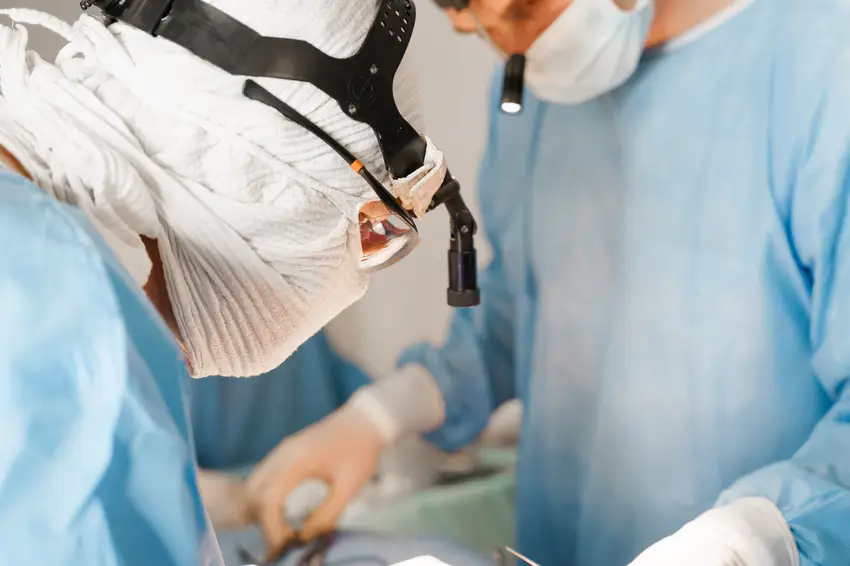
You'd perform surgery on bones and joints to treat injuries, arthritis, and musculoskeletal problems in patients of all ages. You'd use specialized surgical equipment, imaging technology, and orthopedic techniques to restore function and reduce pain.
Did you know?
Becoming an orthopaedic surgeon requires completing a medical degree (6 years), followed by specialised orthopaedic surgery training (5+ years). Strong academic performance in science subjects throughout high school and university is essential for admission to medical school.
At a glance
Typical average pay
$380,000 Avg/yr
Growth
Fast growing
Things to consider
Demanding but Rewarding Career Path
This career involves long hours, high-pressure situations, and continuous learning about new surgical techniques. However, it offers excellent job security, high earning potential, and the satisfaction of helping patients regain mobility and reduce pain.
Specialisation Opportunities
Orthopaedic surgeons can specialise in areas such as sports medicine, spine surgery, or joint replacement. Each specialisation requires additional training but allows surgeons to focus on specific patient populations and surgical techniques.
Key responsibilities
Examines patients to determine the necessity of operations, estimates and explains risks to patients, and selects the best operational procedures
Reviews reports on patients' general physical condition, reactions to medications and medical histories
Consults with anaesthetists regarding the correct anaesthesia for patients
Performs surgical operations
Examines instruments, equipment, and surgical set-up to ensure that antiseptic and aseptic methods have been followed