Orthotists and Prosthetists
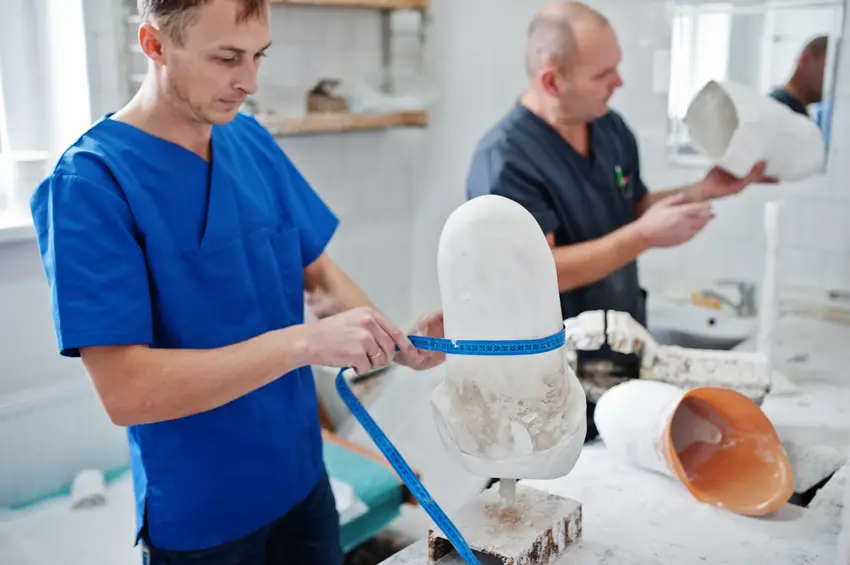
Orthotists and Prosthetists help people with disabilities by designing and creating custom braces, artificial limbs, and other supportive devices. They work closely with patients to measure, fit, and adjust these devices to improve mobility and quality of life. Modern practitioners use advanced technologies like 3D printing and computer-aided design software to create precise, comfortable solutions. This rewarding healthcare career combines technical skills with compassionate patient care in hospitals, clinics, and specialised rehabilitation centres.
Did you know?
To become an Orthotist and Prosthetist in Australia, you'll need to complete a Bachelor's degree in Prosthetics and Orthotics, which is offered at select universities. The program combines theoretical knowledge with hands-on clinical experience and typically takes four years to complete.
At a glance
Typical average pay
$92,000 Avg/yr
Growth
Fast growing
Top skill
Critical Thinking
Things to consider
Essential Skills and Qualities
Success in this field requires strong problem-solving abilities, attention to detail, and excellent communication skills to work with patients. You'll also need manual dexterity for crafting devices and empathy to support people through challenging times in their lives.
Career Opportunities and Work Environment
Orthotists and Prosthetists work in hospitals, rehabilitation centres, private clinics, and sometimes visit patients at home. The field offers good job security with growing demand due to an ageing population and advances in medical technology creating new treatment possibilities.
Key responsibilities
Examines the patient and takes the necessary measurements to create an artificial limb, brace, splint or other related appliance
Reads prescriptions for limbs and other related devices
Makes a plaster cast of the limb or abnormality
Designs limbs or related appliances
Makes the device or limb and supervises its construction or selects a commercially-made product and adjusts it to fit the patient