Passenger Attendants
Passenger Attendants ensure the safety and comfort of travellers on ships, buses, trains, and in transport terminals. They demonstrate safety equipment, serve refreshments, assist with passenger needs, and handle emergency situations using modern communication systems and safety protocols. This role requires excellent customer service skills and offers opportunities to work in diverse transport environments. Many attendants start with on-the-job training and can advance to senior positions or specialise in different transport modes.
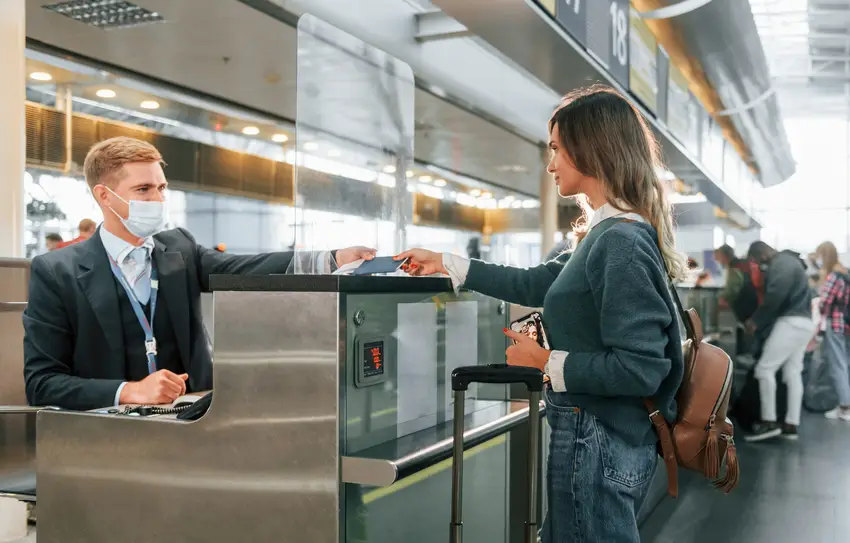
Did you know?
Most passenger attendant roles require completion of specific safety and customer service training programs. Many employers provide on-the-job training, and some positions may require first aid certification or specialised transport safety qualifications.
At a glance
Typical average pay
$58,000 Avg/yr
Growth
Stable
Top skill
Service Orientation
Things to consider
Physical and Personal Requirements
This role involves standing for long periods, lifting luggage, and working in various weather conditions. Strong communication skills, patience, and the ability to remain calm under pressure are essential for success.
Career Opportunities and Work Environment
Passenger attendants can work across different transport sectors including aviation, maritime, rail, and bus services. Career progression may lead to supervisory roles, training positions, or specialisation in luxury or international transport services.
Key responsibilities
Answers questions from passengers
Assists passengers with large luggage, pushchairs and prams
Helps people with special needs, such as wheelchair users
Check tickets and makes sure people are in the correct place to catch their train
May give signalling instructions to train drivers and may clean the station and platform area