Patternmakers, Wood
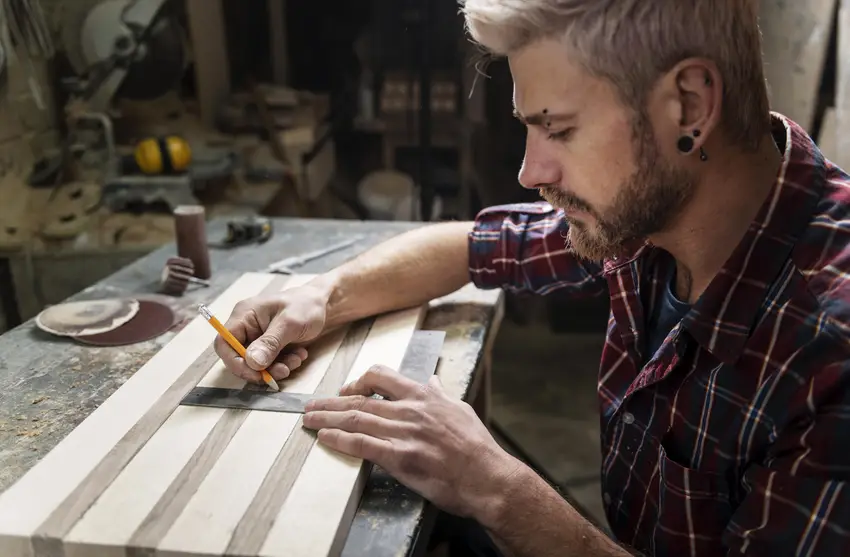
Patternmakers create precise wooden templates that are used to form sand moulds for metal casting in foundries. They plan, design, and construct these patterns using traditional woodworking skills combined with modern precision tools and computer-aided design software. This specialised trade requires excellent craftsmanship, attention to detail, and technical knowledge of both woodworking and metal casting processes. Patternmakers often work closely with engineers and foundry workers to ensure their patterns meet exact specifications.
Did you know?
Consider pursuing a Certificate III in Engineering - Mechanical Trade or similar qualification through TAFE. Apprenticeships with manufacturing companies or specialised patternmaking workshops provide hands-on experience and formal training in this specialised field.
At a glance
Typical average pay
$65,000 Avg/yr
Growth
Stable
Top skill
Monitoring
Things to consider
Essential Skills and Craftsmanship
Develop strong woodworking skills, precision measurement abilities, and technical drawing capabilities. Understanding of materials, geometry, and manufacturing processes is crucial for creating accurate patterns that meet engineering specifications.
Industry Opportunities and Specialisation
Employment opportunities exist in foundries, manufacturing companies, and specialised patternmaking workshops. This niche field offers job security due to the specialised skills required and ongoing demand from the metal casting industry.
Key responsibilities
Studies, drawings and specifications to determine dimensions and tolerances of articles to be manufactured and models to be constructed
Measures and marks out metal stock and castings using various gauges
Shapes metal and wood stock using machine tools
Checks accuracy of manufactured articles and finished patterns to fine tolerances, using precision measuring instruments
Tests and modifies manufactured articles