Paving Equipment Operators
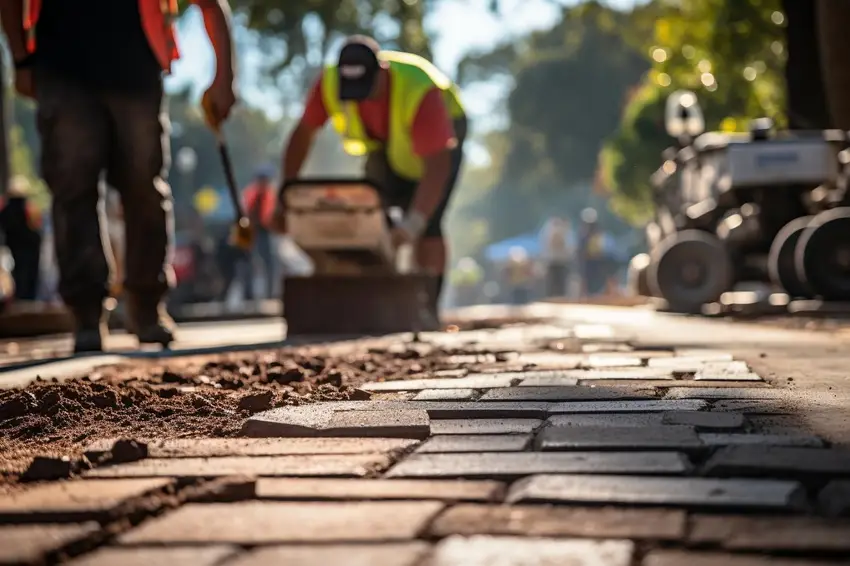
Paving equipment operators run heavy machinery that spreads and compacts asphalt on roads, parking lots, and highways, working as part of construction crews. They use GPS-guided paving machines, laser-guided systems, and digital compaction monitoring to ensure smooth, durable surfaces. You need a high school diploma, a commercial driver's license, and on-the-job training in equipment operation. If you like working outdoors, operating machinery, and seeing the tangible results of your work, this trade offers steady employment.
Did you know?
In Australia, you can start with a Certificate II or III in Civil Construction or Plant Operations. Many operators begin as apprentices or trainees, learning on-the-job while earning qualifications through TAFE or registered training organisations.
At a glance
Typical average pay
$65,000 Avg/yr
Growth
Stable
Top skill
Operations Monitoring
Things to consider
Physical and Safety Considerations
This role requires good physical fitness and attention to safety protocols. Operators work outdoors in various weather conditions and must follow strict safety guidelines when operating heavy machinery.
Career Progression Opportunities
With experience, operators can advance to supervisory roles, become equipment trainers, or specialise in operating more complex machinery. Some progress to site management or start their own contracting businesses.
Key responsibilities
Sweeping paving bases prior to laying asphalt and other surfaces
Sprinkling and brushing hot and cold-mix asphalt over surfaces to be paved and repaired to bond asphalt toppings to bases
Operating tank-truck distributors and hoses to spray tar and road oils and emulsions on graded surfaces prior to paving
Tripping tail-gate levers to discharge hot-mix asphalt into paving machines, and spreading stone chips, gravel and cold-mix asphalt onto road surfaces
Shovelling asphalt mix into areas inaccessible to paving machines, and compacting mix using rakes and hand tampers