Police Officers
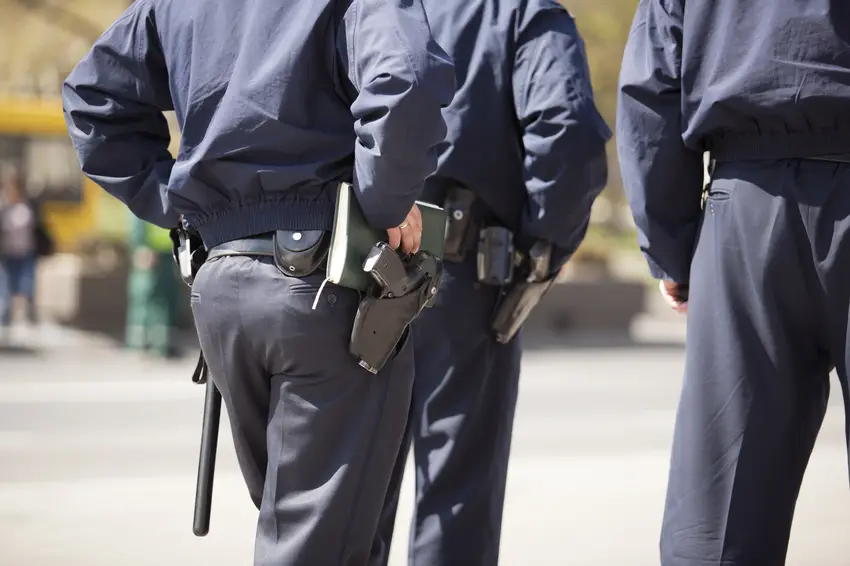
Police Officers maintain order and protect life and property by enforcing laws and regulations. They patrol specific areas, direct traffic, issue traffic summonses, investigate accidents, and apprehend and arrest suspects. They may also serve legal processes of courts and work in educational institutions.
Did you know?
In Australia, aspiring police officers must complete police academy training after finishing Year 12. Each state has different entry requirements, but most require physical fitness tests, psychological assessments, and background checks before acceptance into training programs.
At a glance
Typical average pay
$88,000 Avg/yr
Growth
Stable
Top skill
Social Perceptiveness
Things to consider
Physical and Mental Demands
Police work requires excellent physical fitness and mental resilience. Officers must be prepared to handle stressful situations, work irregular hours including nights and weekends, and maintain composure under pressure while making quick decisions.
Career Progression Opportunities
Police officers can advance to specialised units such as detective work, traffic enforcement, or community policing. With experience and additional training, officers can progress to supervisory roles like sergeant, inspector, or superintendent.
Key responsibilities
Investigates and prosecutes offences
Secures and examines crime and accident scenes to obtain evidence
Protects witnesses and investigates corruption
Maintains public order and safety
Patrols assigned areas to prevent public disturbance and crime