Police Records Officers
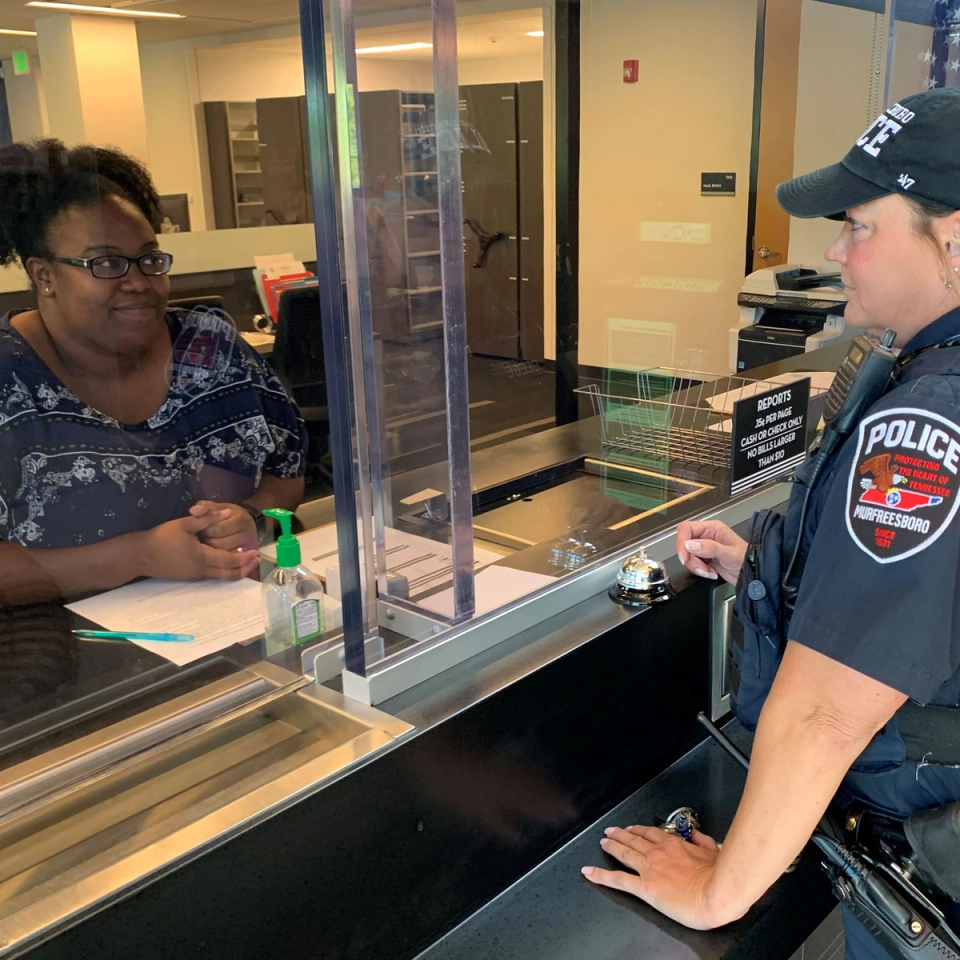
You manage police identification records, fingerprints, and criminal history databases using specialized software while maintaining accuracy and security of sensitive information. You'll process background check requests, file documents, and follow strict privacy regulations. A high school diploma is standard; training in records management and databases is helpful. This suits organized, trustworthy people comfortable with sensitive information.
Did you know?
Most positions require completion of Year 12 and specialised training through police academies or TAFE courses in forensic science. Some roles may require a Bachelor's degree in forensic science, criminology, or a related field.
At a glance
Typical average pay
$85,000 Avg/yr
Growth
Stable
Top skill
Speaking
Things to consider
Essential Skills and Training
Develop strong attention to detail, scientific methodology, and photography skills. Knowledge of chemistry, biology, and computer systems is highly valuable for modern forensic work.
Career Progression Opportunities
Start as a trainee or assistant and progress to senior forensic roles. With experience, you can specialise in areas like digital forensics, ballistics, or become a forensic supervisor or expert witness.